

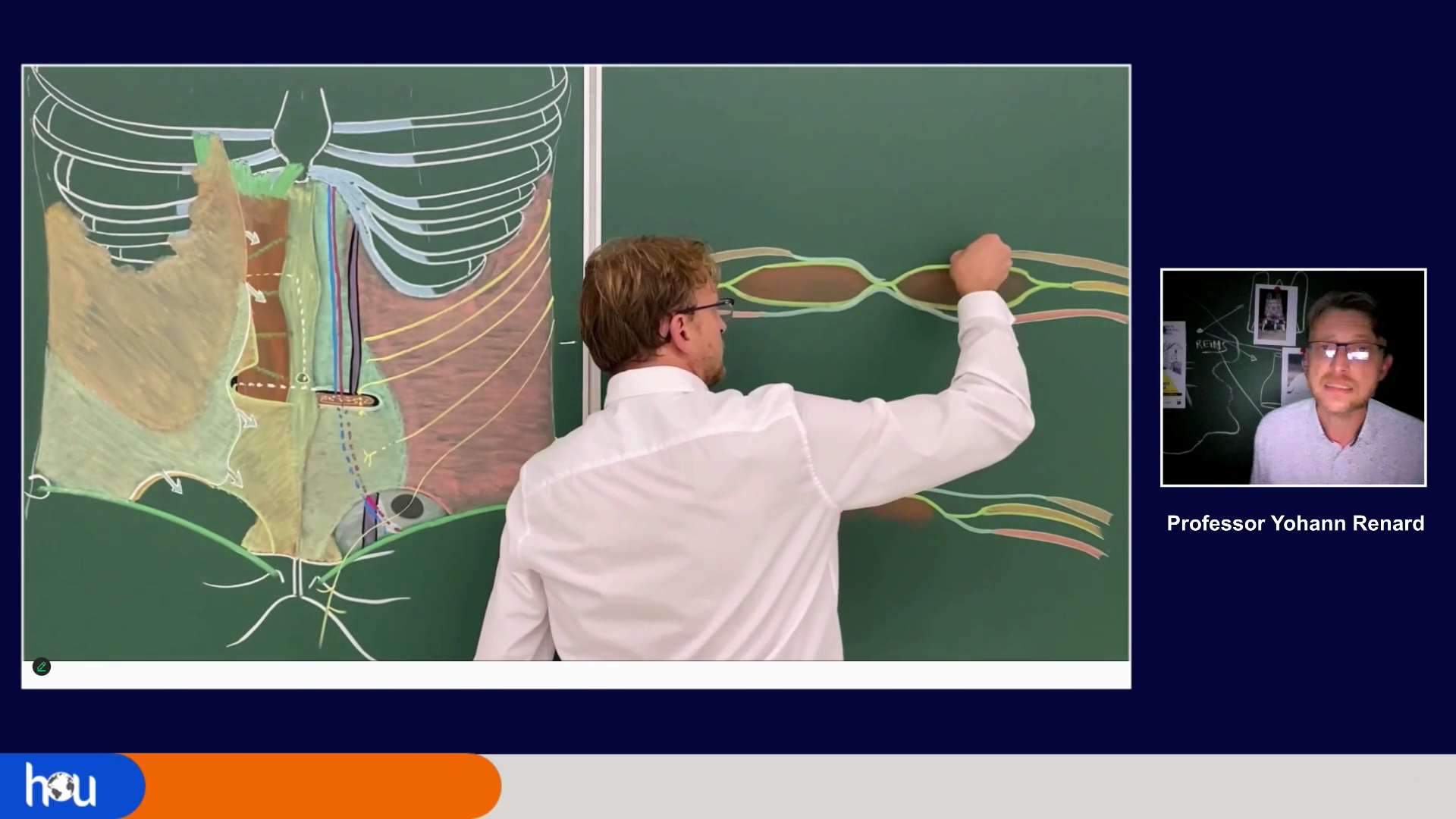
Let’s Chalk About Anatomy Series part 3: Anatomy of Transversus Abdominis Release – Prevention
Professor Renard from Reims, France is a surgeon who specializes in anatomy with expertise in the treatment of complex and incisional hernias. He is known around the world for his chalk anatomy drawings. This is part three, - “Anatomy of Transversus Abdominis Release – Prevention” of our three-part “Let’s Chalk About Anatomy Series” (BD-155962).
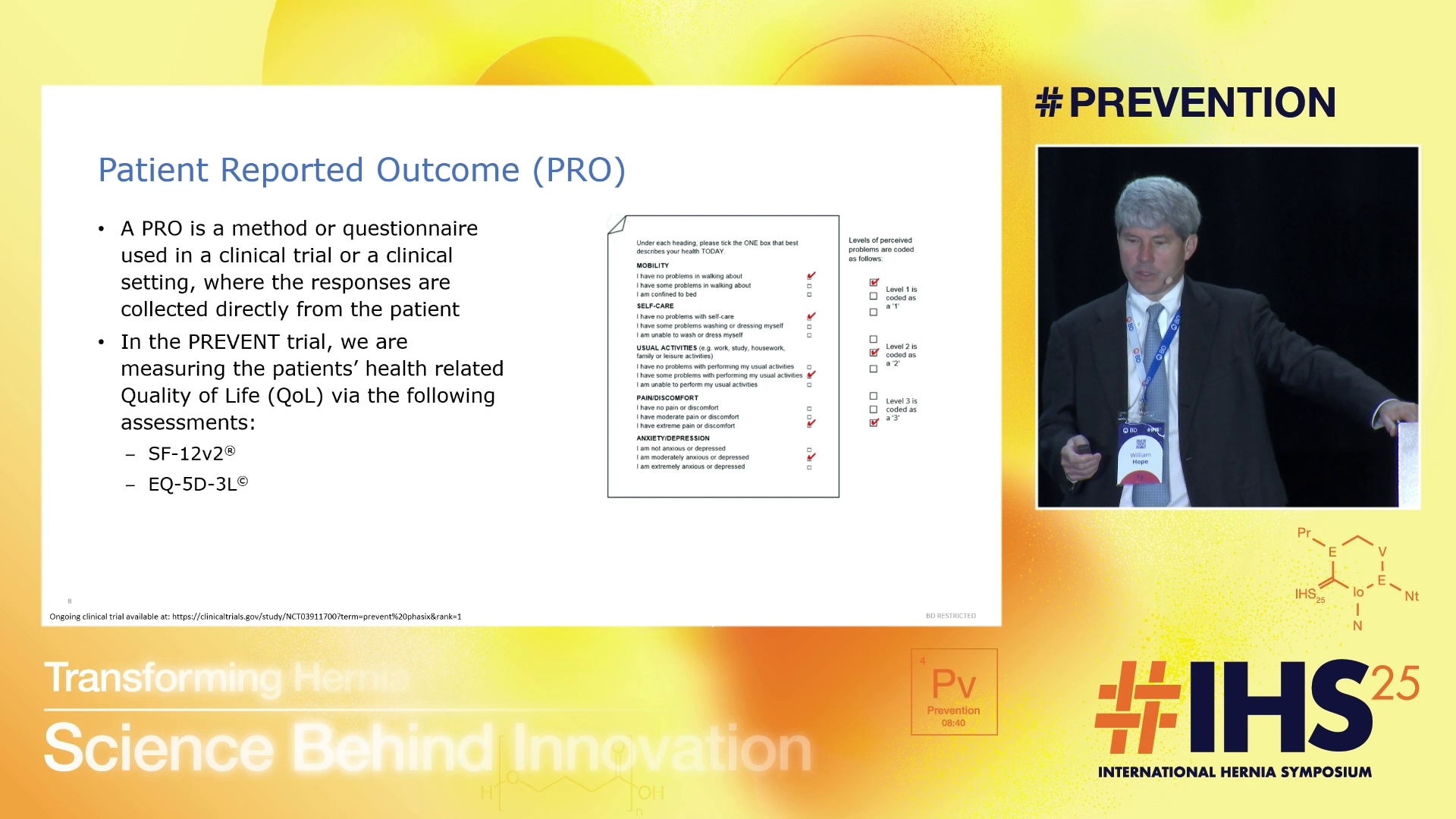
Building up new evidences: The PREVENT trial
Video Description: At #IHS25, William Hope presents “Building Up New Evidence: The PREVENT Trial”, highlighting groundbreaking research focused on incisional hernia prevention. This session delves into the design, goals, and early findings of the PREVENT trial, aiming to shape future standards in surgical practice through robust clinical evidence (BD-151781).
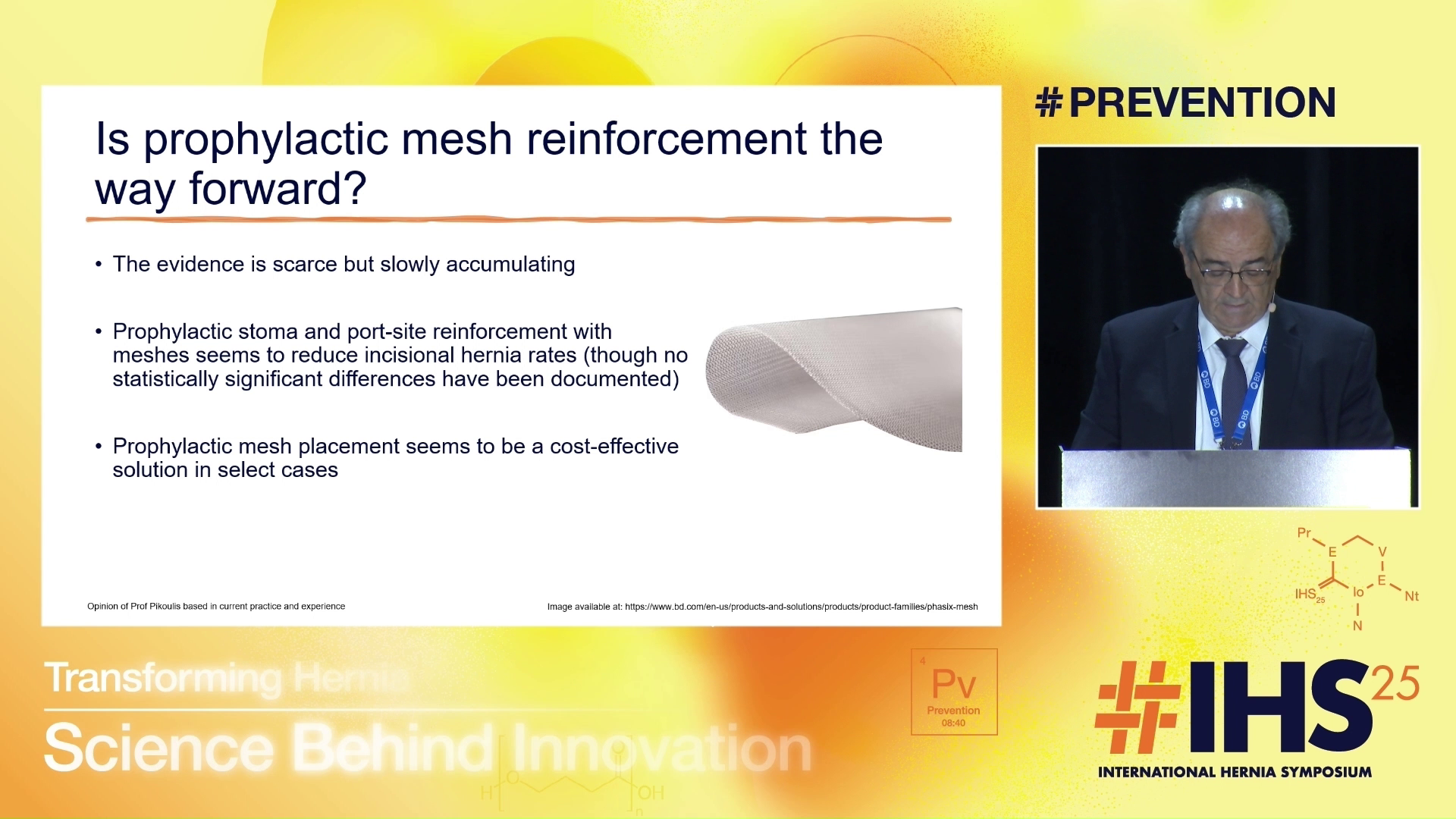
Prevention in colorectal laparoscopic approach
Video Description: At #IHS25, Manos Pikoulis presents “Prevention in Colorectal Laparoscopic Approach”, focusing on strategies to reduce the risk of incisional hernias in minimally invasive colorectal surgery. This session highlights preventive techniques, mesh use, and evidence-based practices aimed at improving long-term surgical outcomes (BD-151781)
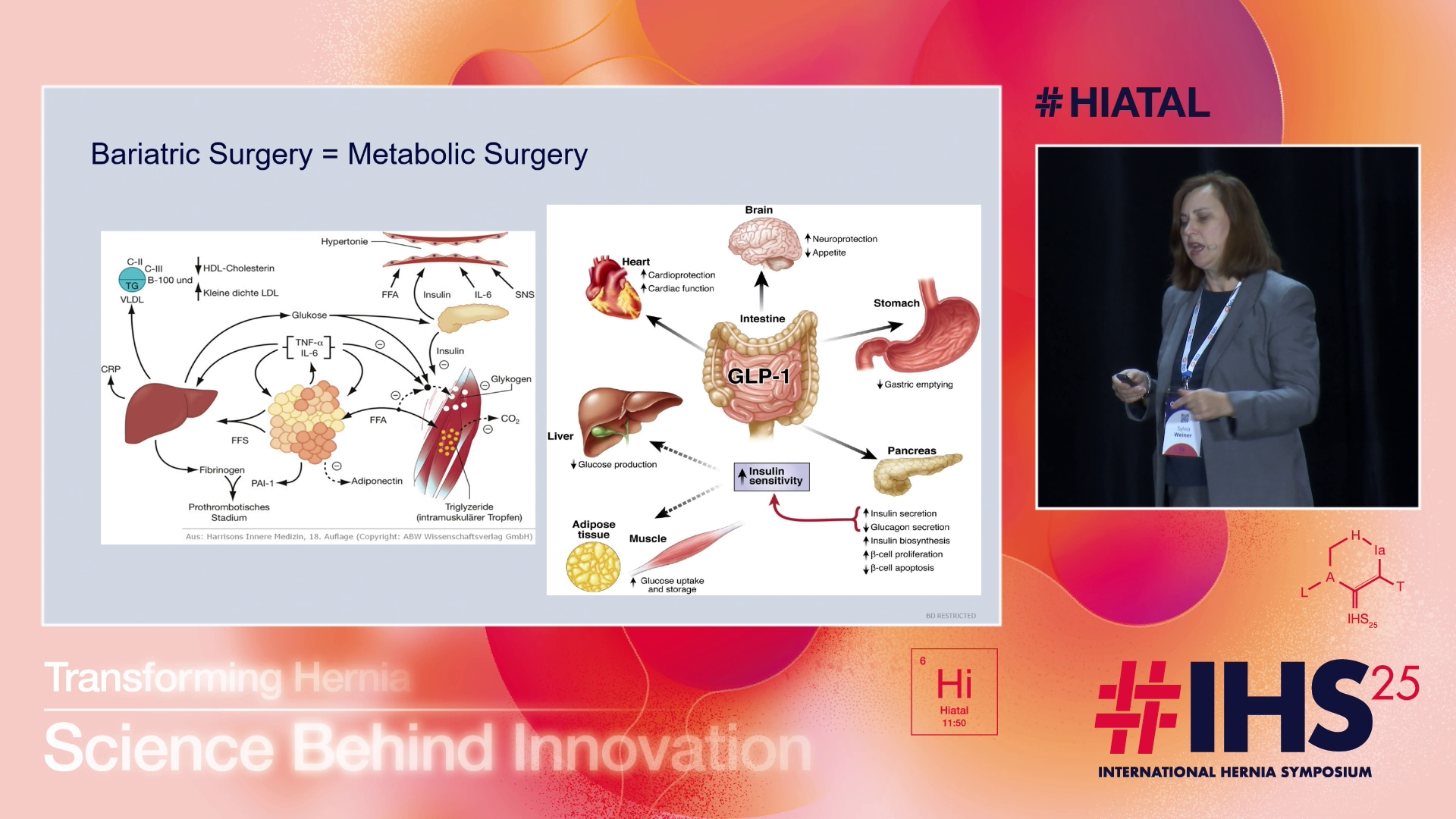
Consensus paper hiatal hernia repair in bariatric surgery
At #IHS25, Silvia Weiner presents “Consensus Paper: Hiatal Hernia Repair in Bariatric Surgery”, unveiling key recommendations from a multidisciplinary expert panel. This session discusses standardized approaches, surgical techniques, and clinical considerations for managing hiatal hernias in bariatric patients, aiming to improve outcomes through consensus-driven best practices (BD-151781).
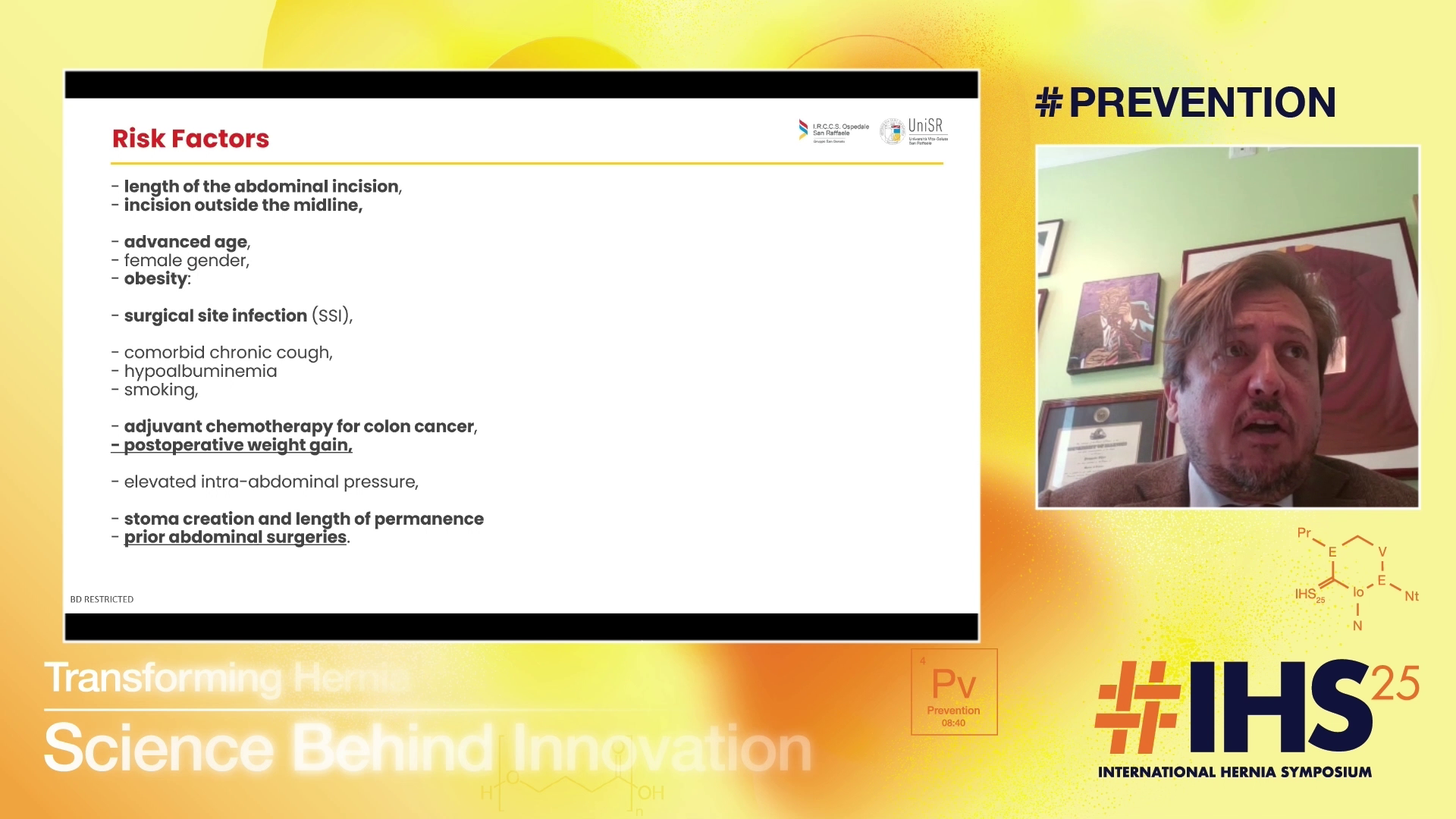
It is time for IH prevention in colorectal surgery?
At #IHS25, Pierpaolo Sileri presents “Is It Time for Incisional Hernia Prevention in Colorectal Surgery?”, addressing the growing need to integrate hernia prevention strategies into colorectal procedures. This session explores current evidence, surgical techniques, and the potential impact of proactive measures on long-term patient outcomes BD-151781).
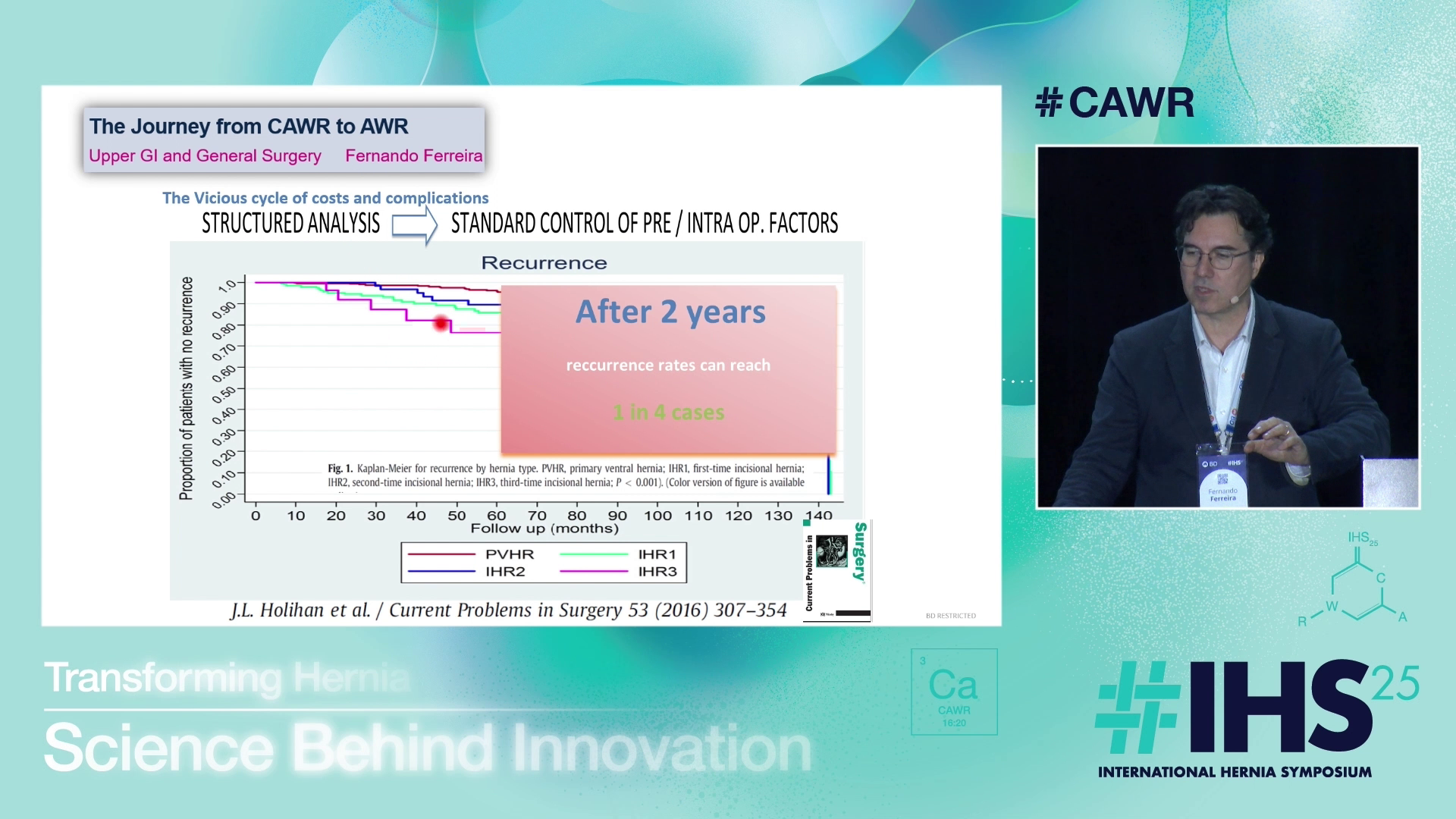
The journey from CAWR to AWR
At #IHS25, Fernando Ferreira presents “The Journey from CAWR to AWR”, tracing the evolution from complex abdominal wall reconstruction to broader abdominal wall repair strategies. This session explores how surgical techniques, patient selection, and mesh technologies have advanced to support more personalized and effective hernia care (148029)
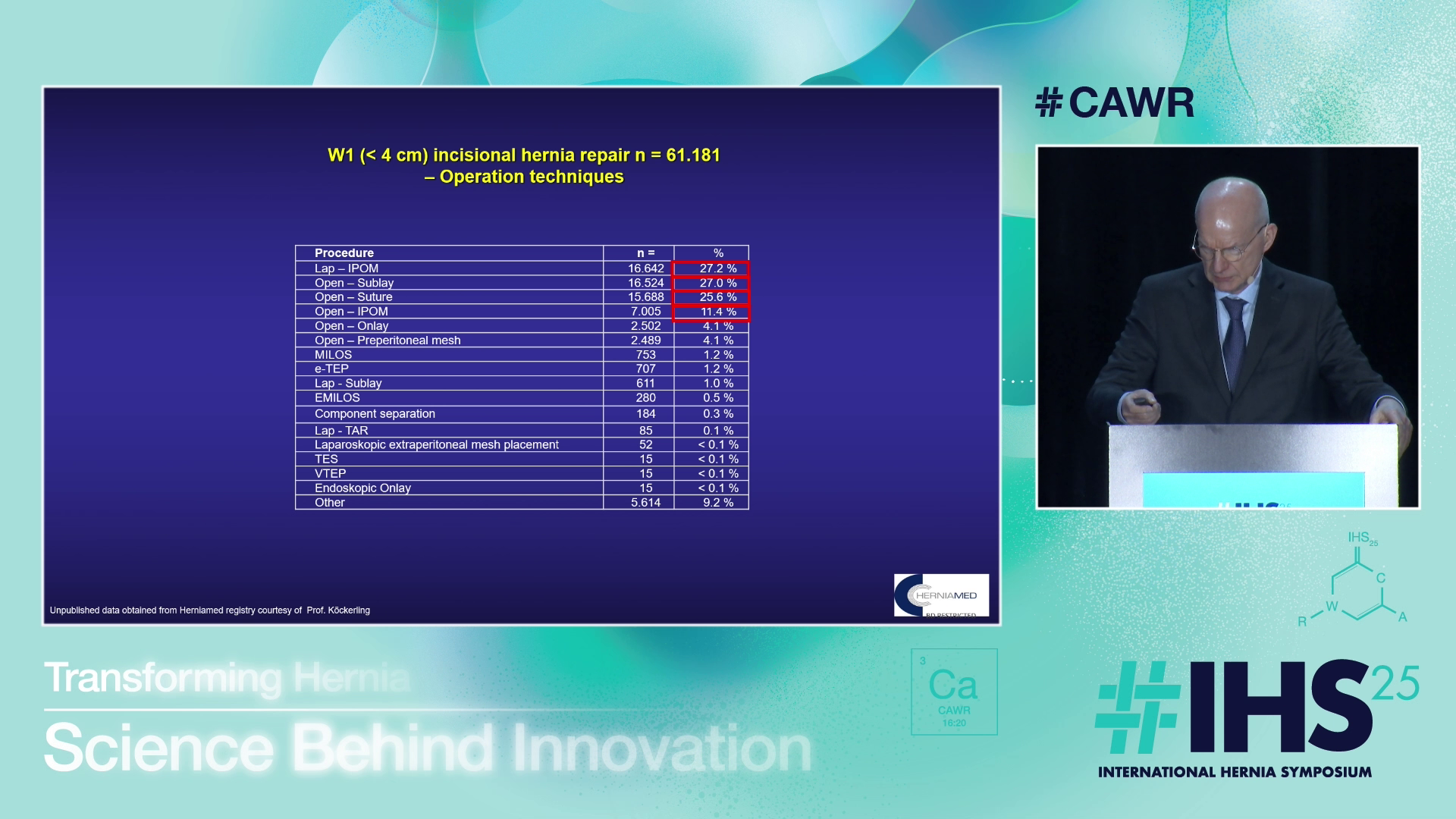
Update on the HerniaMed registry
At #IHS25, Ferdinand Köckerling presents “Update on the HerniaMed Registry”, offering the latest insights from one of the most comprehensive hernia surgery databases in Europe. This session highlights new data trends, clinical outcomes, and how registry-driven research is shaping best practices in hernia care (BD-151781).
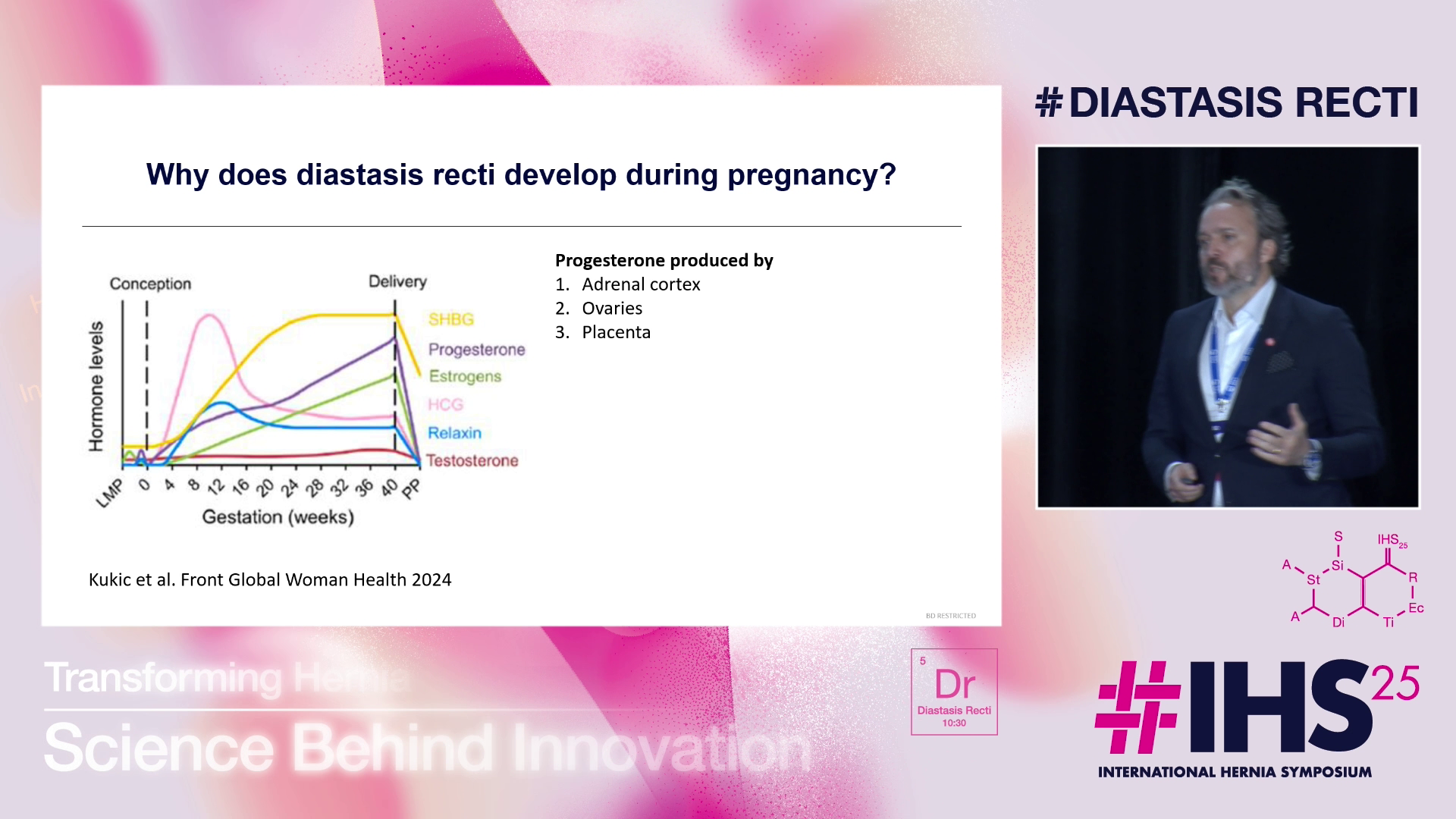
Understand the problem
At #IHS25, Henry Hoffmann presents “Understand the Problem”, a session dedicated to the clinical and functional implications of diastasis recti. This talk explores the anatomical challenges, diagnostic considerations, and the importance of recognizing diastasis as a distinct condition requiring tailored evaluation and management strategies (BD-151781 (06/2025).
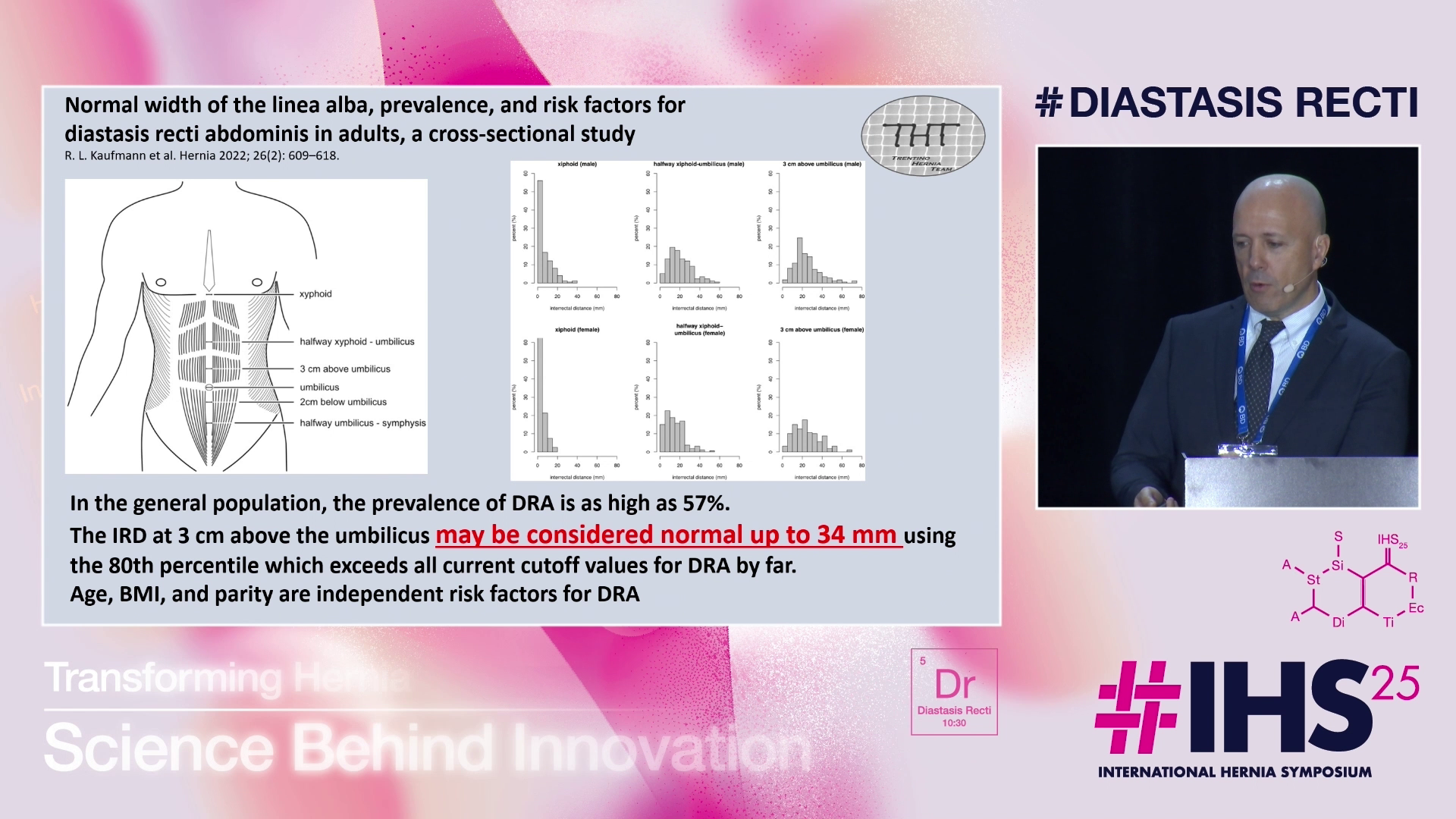
How we can decide?
At #IHS25, Alessandro Carrara presents “How We Can Decide?”, a session centered on clinical decision-making in the management of diastasis recti. This talk explores assessment tools, patient selection criteria, and the balance between conservative and surgical approaches, helping clinicians navigate the complexities of individualized treatment planning (BD-151781).
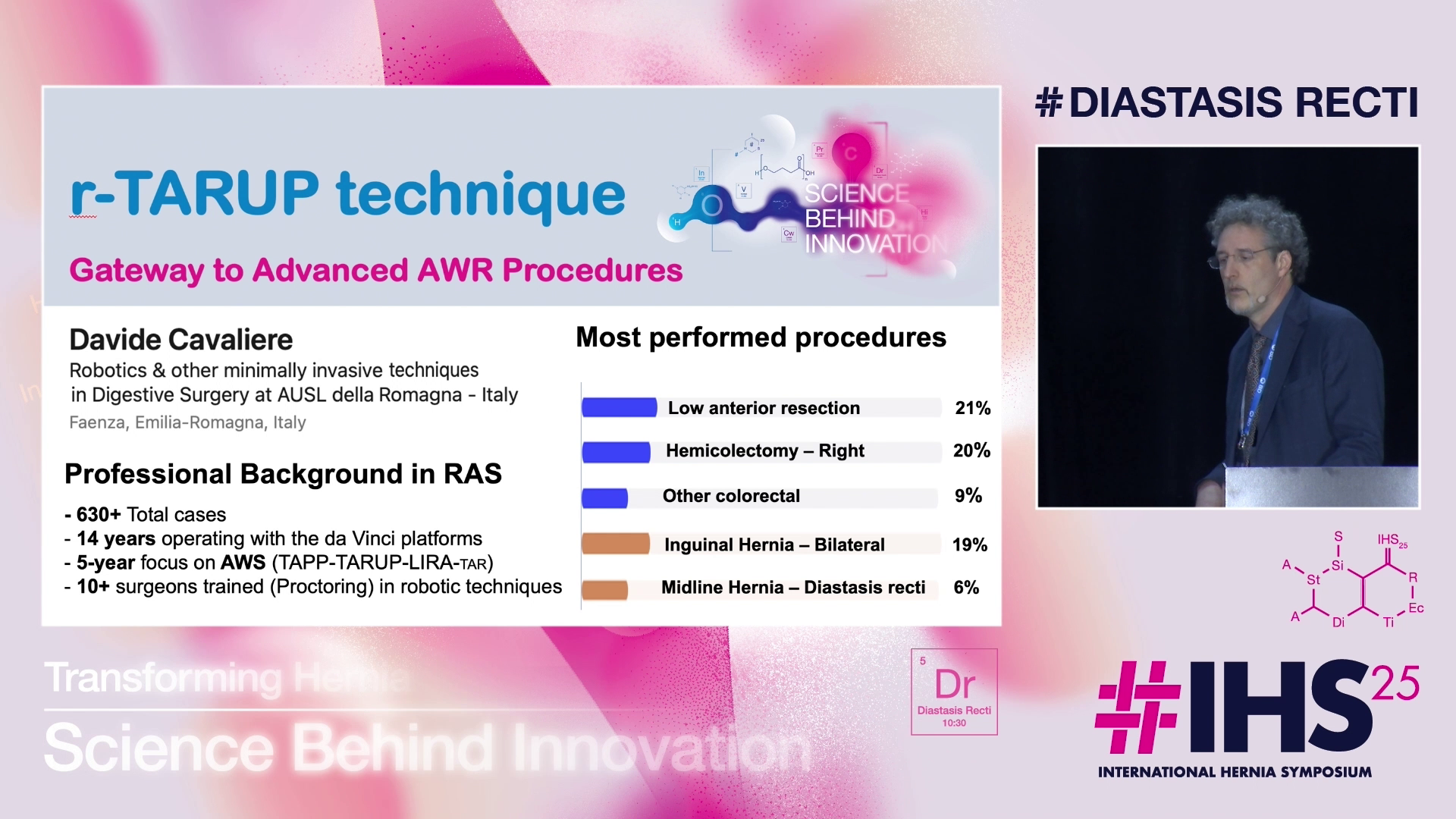
TARUP procedure
At #IHS25, Davide Cavaliere presents “TARUP Procedure”, highlighting a novel approach to retromuscular hernia repair. This session explores the principles and techniques behind Transabdominal Retromuscular Umbilical Prosthesis, offering insights into its advantages for midline hernias and its role in modern abdominal wall reconstruction (BD-151781).
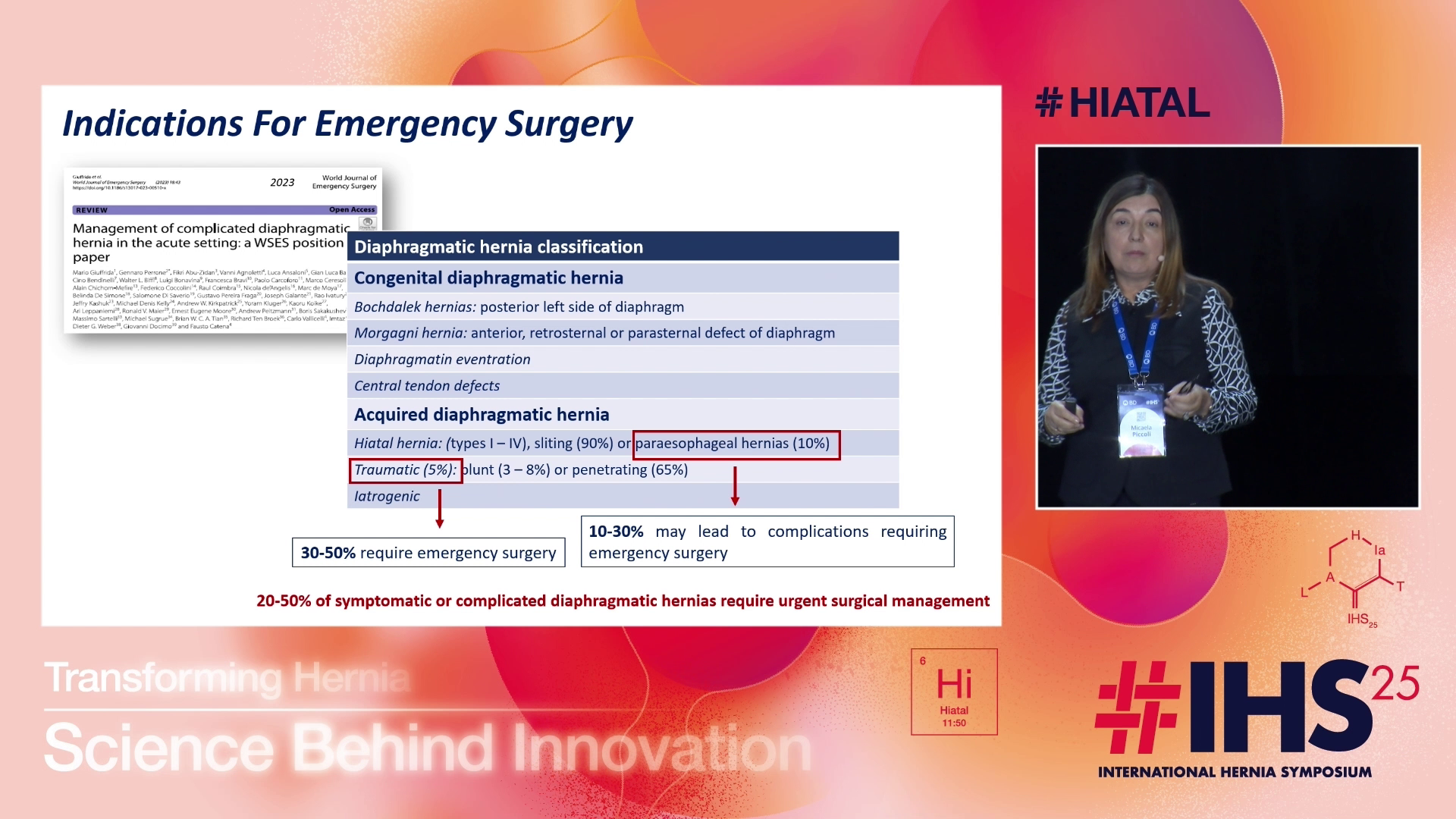
Hiatal hernia in an emergency setting
At #IHS25, Micaela Piccoli presents “Hiatal Hernia in an Emergency Setting”, addressing the urgent challenges and decision-making involved in managing acute hiatal hernia cases. This session explores diagnostic strategies, surgical interventions, and critical considerations for optimizing outcomes in high-risk, time-sensitive scenarios(BD-151781).
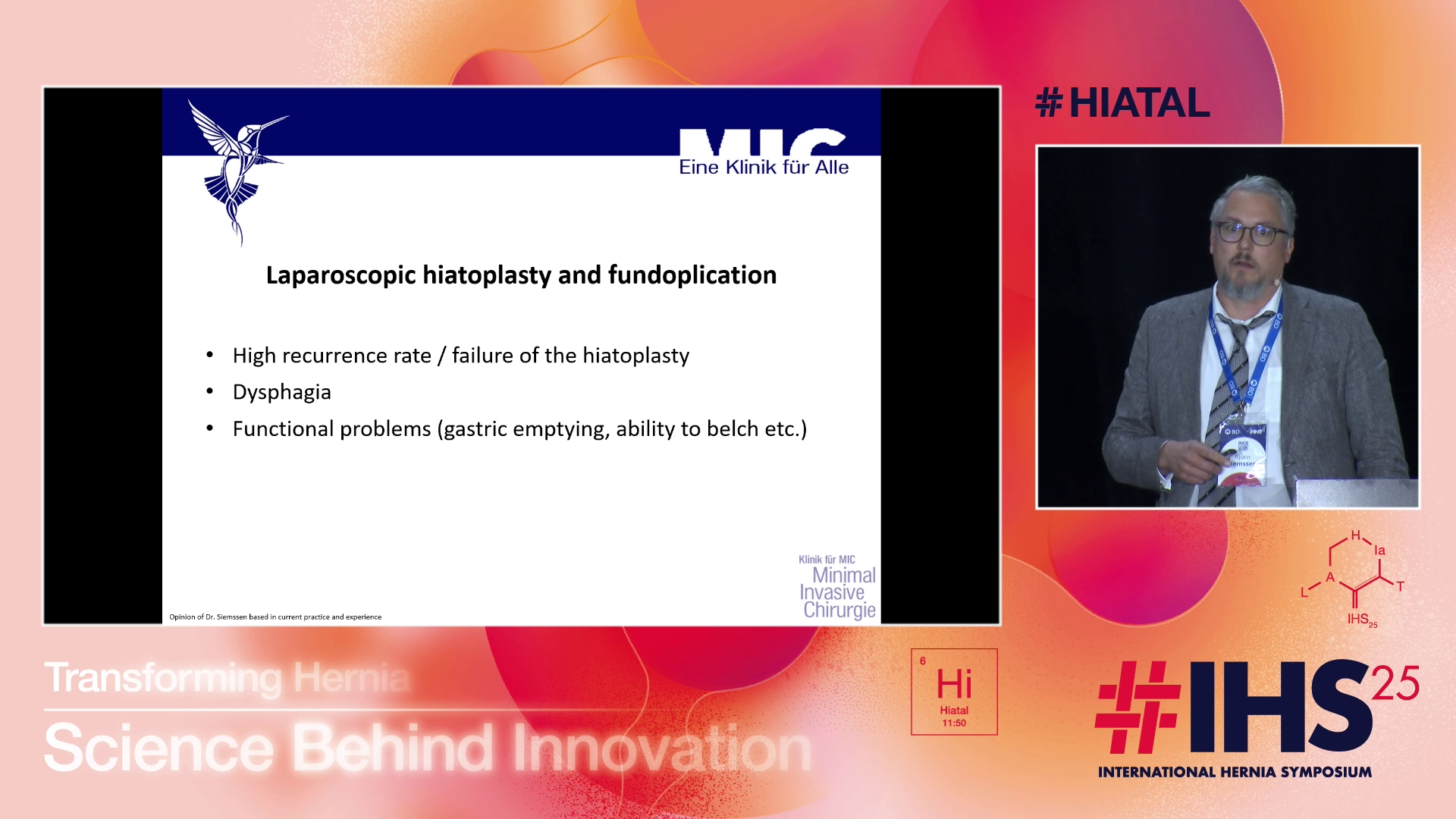
Do we still need a fundoplication?
At #IHS25, Björn Siemssen presents “Do We Still Need a Fundoplication?”, examining the evolving role of fundoplication in the treatment of hiatal hernias and gastroesophageal reflux. This session explores current evidence, alternative techniques, and patient-specific considerations to determine when fundoplication remains the best option—or when it may no longer be necessary (BD-151781)
Let’s Chalk About Anatomy Series part 3: Anatomy of Transversus Abdominis Release – Prevention
Professor Renard from Reims, France is a surgeon who specializes in anatomy with expertise in the treatment of complex and incisional hernias. He is known around the world for his chalk anatomy drawings. This is part three, - “Anatomy of Transversus Abdominis Release – Prevention” of our three-part “Let’s Chalk About Anatomy Series” (BD-155962).
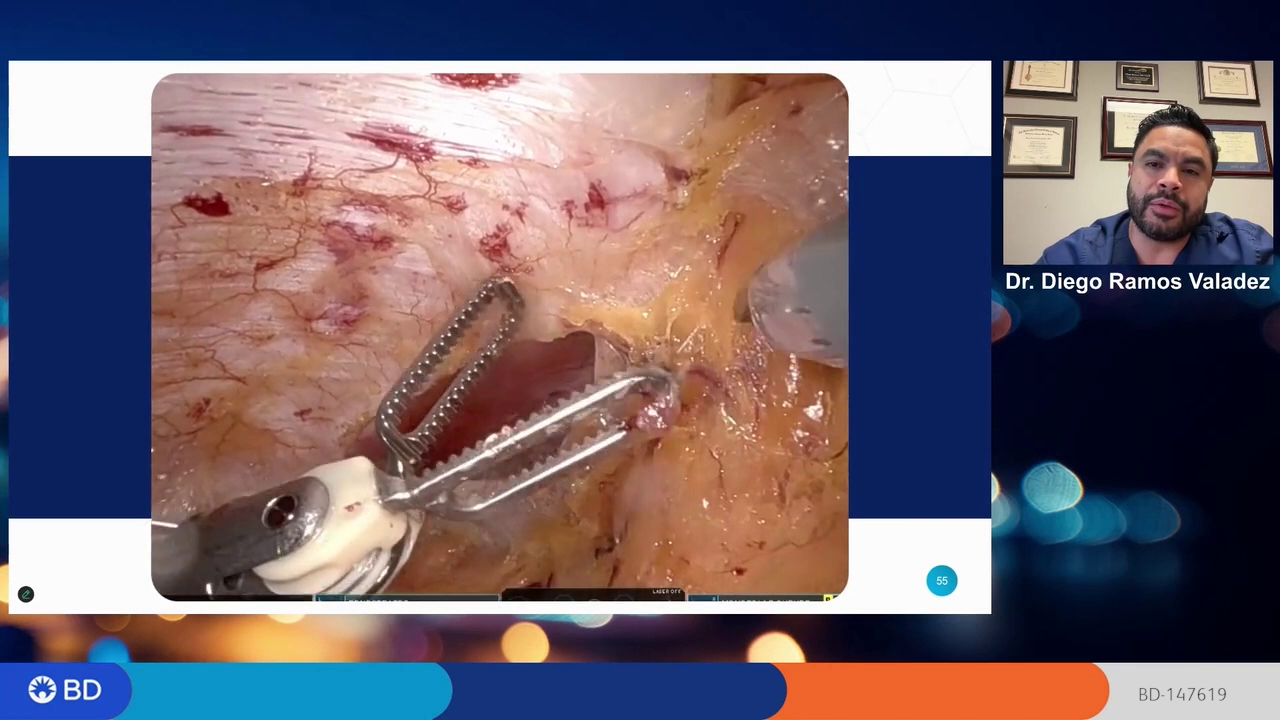
Robotic Ventral Hernia Repair with Dr. Ramos
Robotic Ventral Hernia Repair and Dr. Ramos's approach and algorithm to performing robotic eTEP and robotic TAR surgery in his own
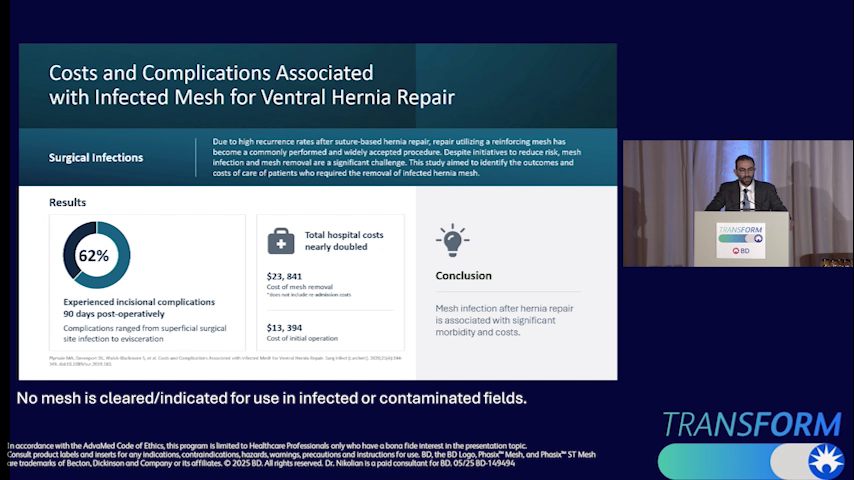
Integrating Phasix™ in a Contemporary Abdominal Wall Program-Data Driven Decisions
Recorded during Transform, a global Hernia Symposium in Miami Florida. Dr. Vahagn Nikolian, MD presented “Integrating Phasix™ in a Contemporary Abdominal Wall Program-Data Driven Decisions” where he discussed his personal journey of integrating Phasix™ Mesh into his practice at a more advanced abdominal wall center.
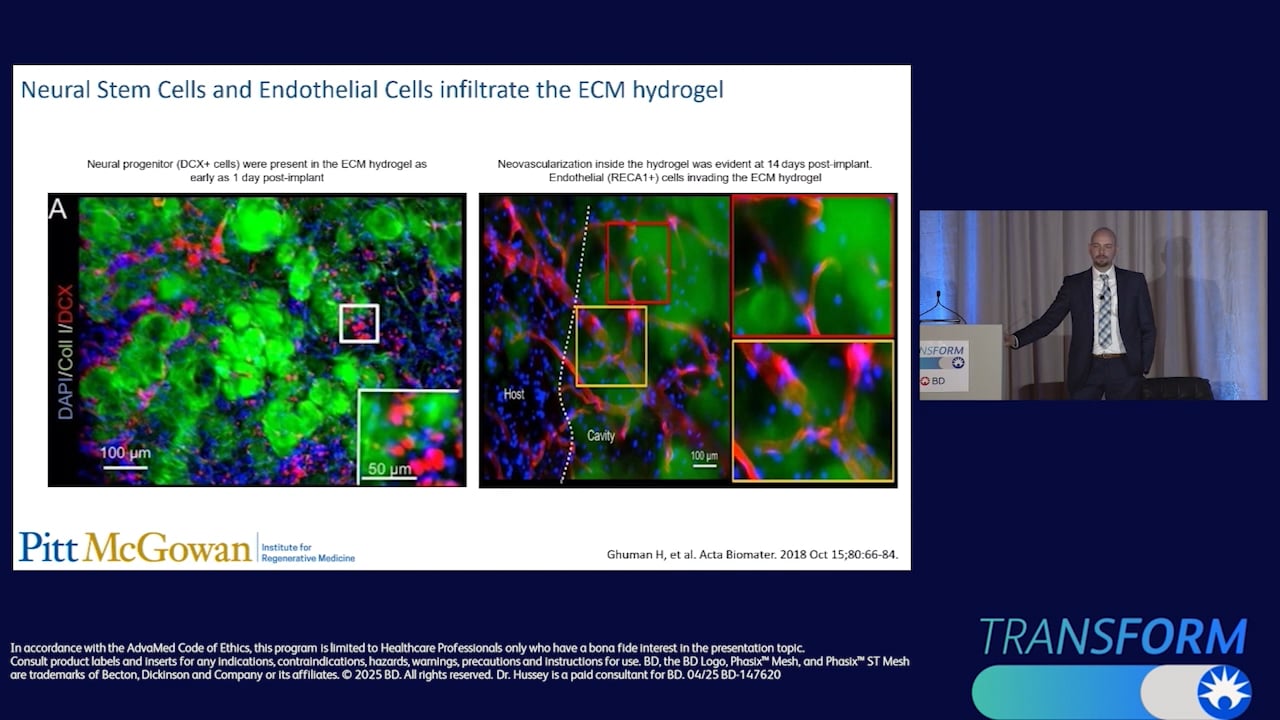
Translating Scientific Discoveries into Medical Innovation
Dr. George Hussey of the McGowan Institute for Regenerative Medicine discusses the institute's approach to translating scientific discoveries into medical innovation. He reviews scientific evidence and data from clinical and preclinical studies.
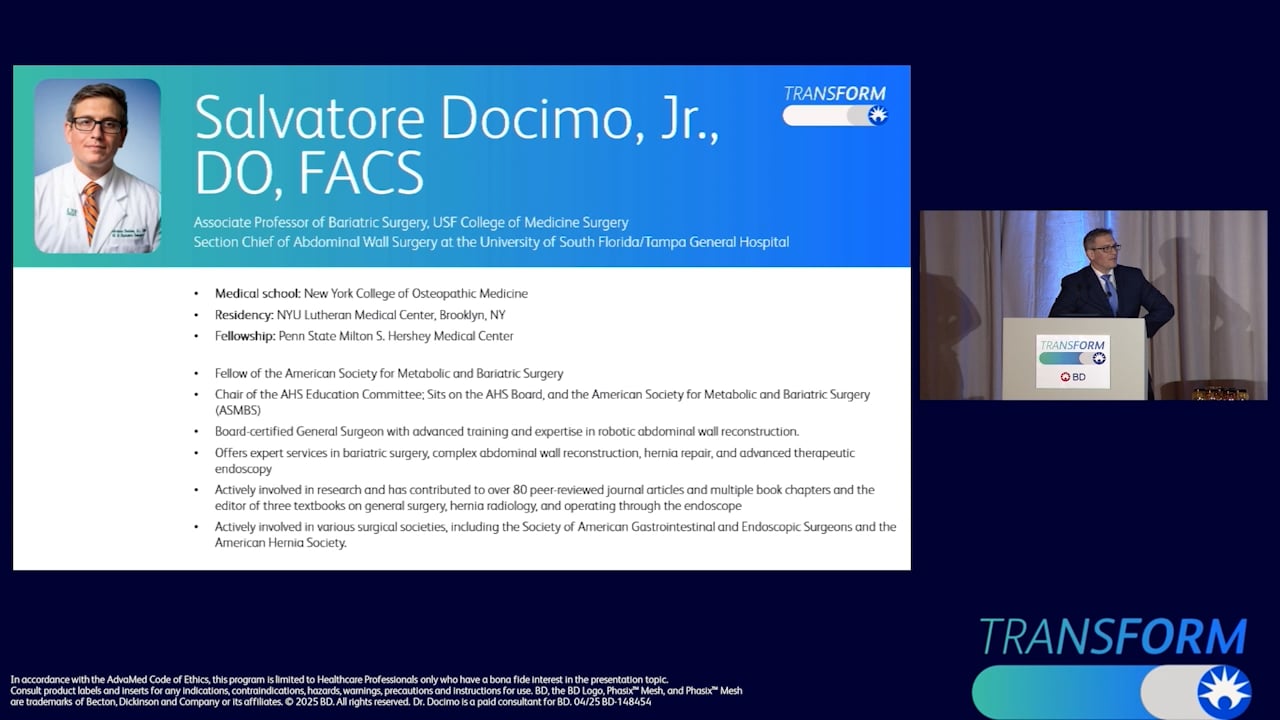
Comprehensive Summary: Advancing Hernia Surgery – A Chronic Disease Framework
Hernias are now viewed as chronic conditions, with emphasis shifting from recurrence elimination to long-term management and quality of life. Surgeons must communicate transparently to build trust. Hernia repair materials have evolved significantly. Dr. Docimo discusses his clinical experience and adoption of bioabsorbable mesh while addressing quality of life as a central metric measured by patient-reported quality of life rather than just recurrence rates. He encourages surgeons to adopt a data-driven, patient-centered approach, contribute to research, and support standardized care through initiatives like Centers of Excellence and looking at the evolution of Hernia Surgery.
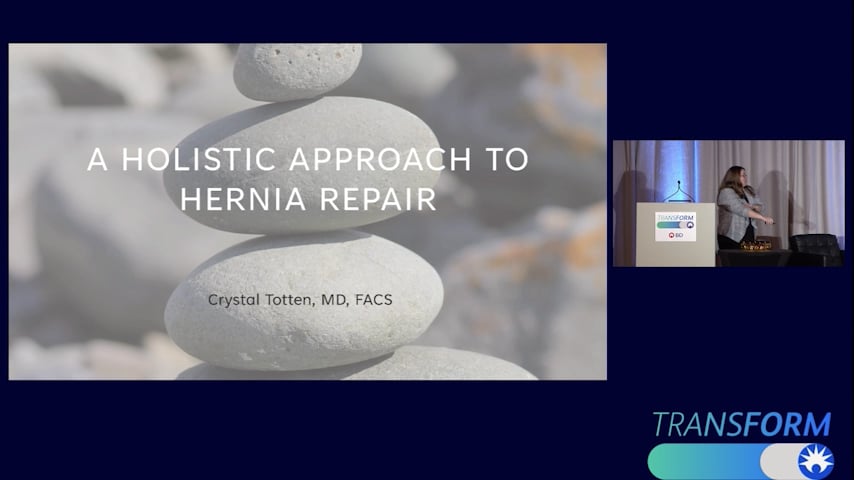
A Holistic Approach to Hernia Repair
A Holistic Approach to Hernia Repair Recorded at Transform 2025 Global Hernia Symposium Miami, FL| January 24, 25 with Crystal Totten, MD, FACS
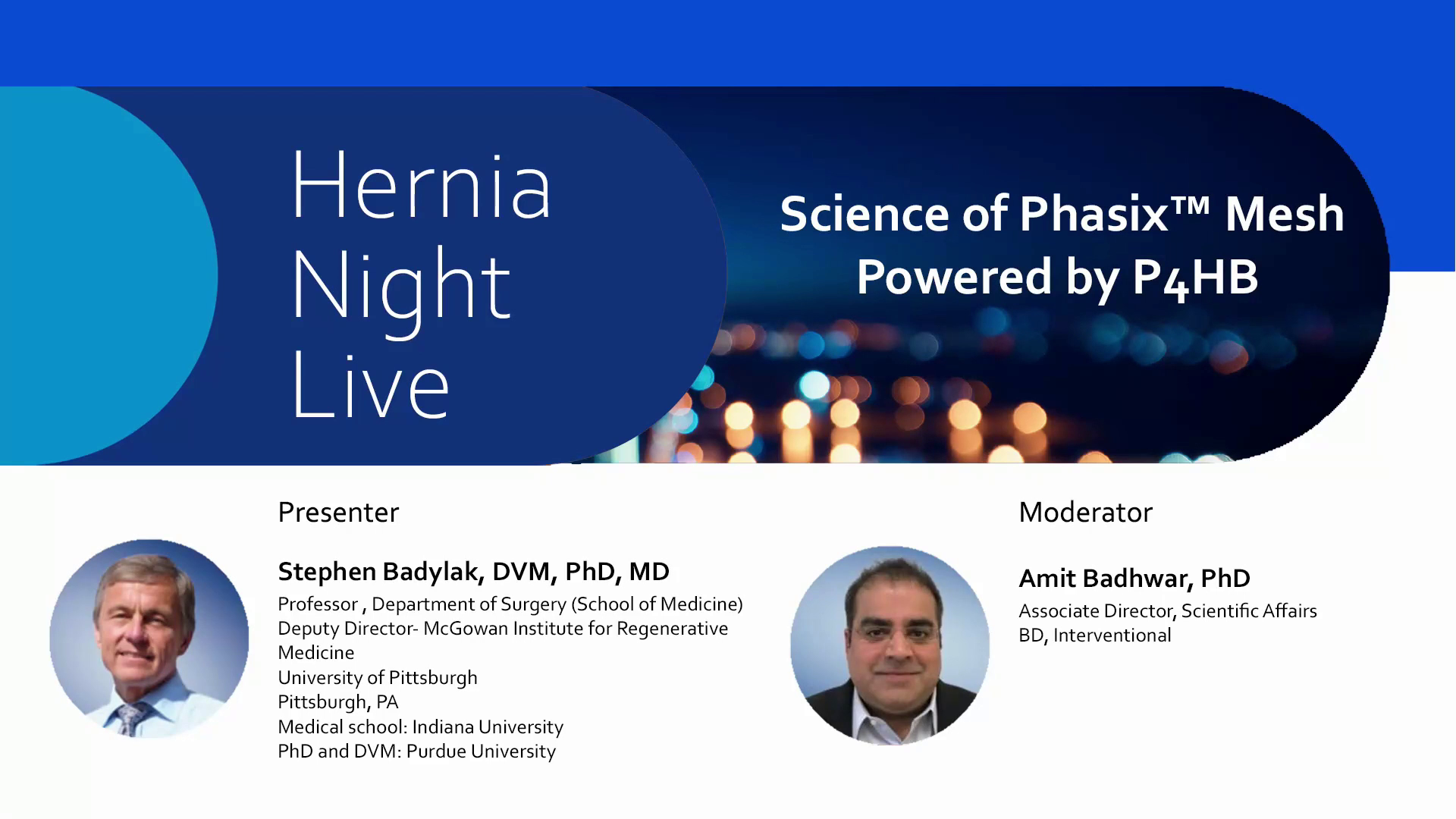
Dr. Badylak: Phasix™ Mesh
This session features Dr. Stephen Badylak’s lecture “The Science of Phasix™ Mesh Powered by P4HB” with Spanish subtitles. In this broadcast Dr. Badylak, Deputy Director of the McGowan Institute for Regenerative Medicine and Director of the Center for Pre-Clinical Engineering at the Institute, provides a deep dive into the science of Phasix™ Mesh. Discussion includes the origins of Phasix™ Mesh, its rare composition, how its unique properties differentiate it from other bioresorbable materials, an overview of the degradation process and how it reacts in-vivo studies.
Published Clinical Evidence for P4HB in Abdominal Wall Reconstruction | Dr Amit Badhwar
A Summary of the Published Clinical Evidence for P4HB in Abdominal Wall Reconstruction (AWR)
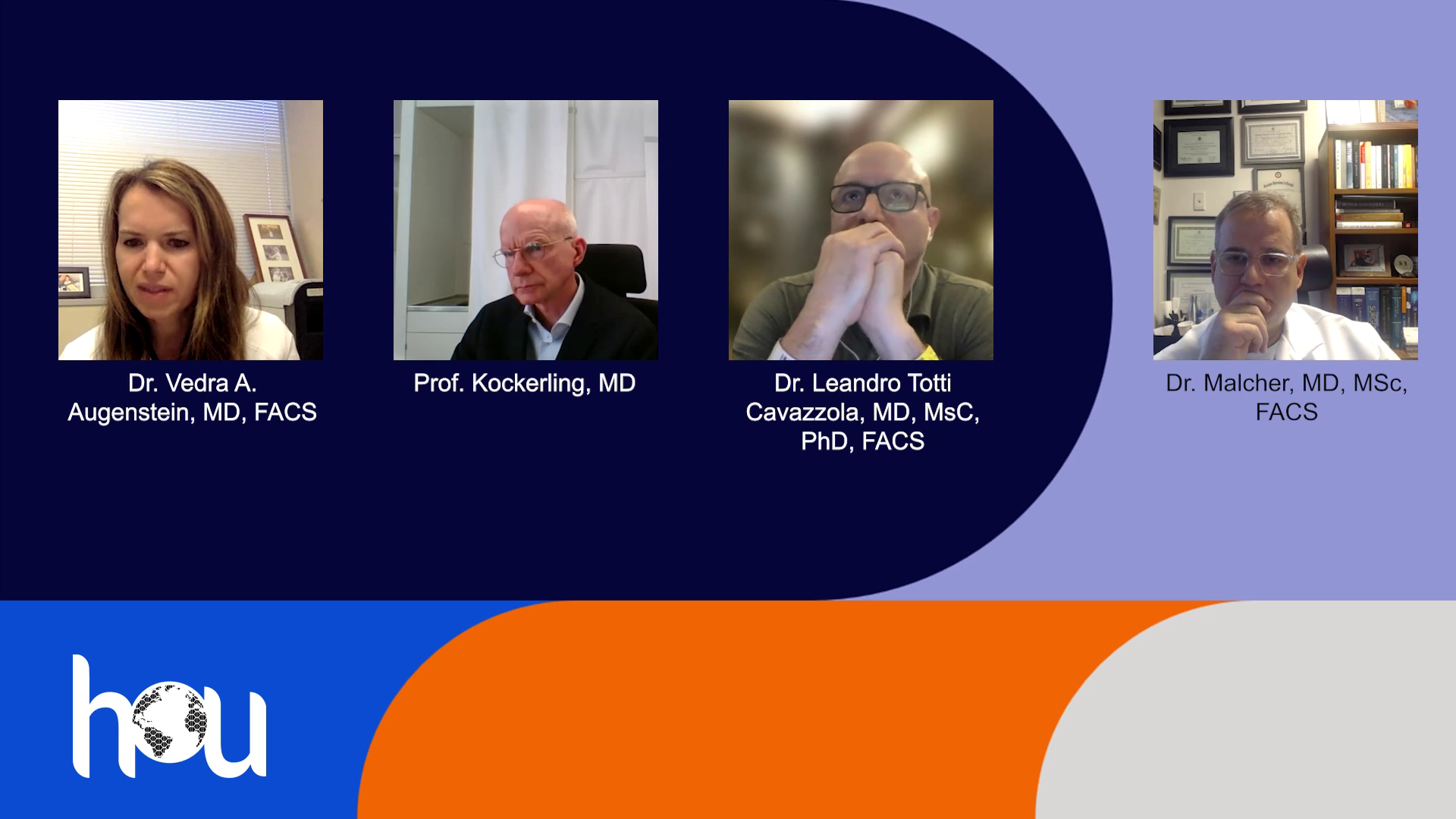
Part 1 of IPOM Panel Talk Series
Part 1 of our IPOM Series with surgeons from around the globe! During these events we will have a panel of key opinion leaders in this space discussing IPOM; how it has evolved over time, if there is still a place for it; procedural pros and cons, clinical publications as well as reviewing interesting case overviews.
Publication Review: Comparative long-term effectiveness between ventral hernia repairs with biosynthetic and synthetic mesh
Dr. J. Scott Roth MD, FACS presents on: Comparative long-term effectiveness between ventral hernia repairs with biosynthetic and synthetic mesh
Role of Phasix™ in Complex Abdominal Hernia Repair With Tim Tollens, MD Post
General Surgeon, Imelda Hospital Bonheiden, Belgium Unit Head- Surgery Seth G S Medical College and KEM Hospital Mumbai, India
CAWR Ask the Expert – Panel Discussion
Assistant Professor of Surgery Division of Plastic and Reconstructive Surgery University of Pennsylvania Health System Philadelphia, PA Associate Professor of Surgery Department of Surgery, Division of Plastic Surgery Associate Professor of Surgery Department of Orthopaedic Surgery Herndon B. Lehr Endowed Associate Professor University of Pennsylvania School of Medicine Philadelphia, PA Assistant Professor of Surgery Oregon Health and Science University Portland, OR Professor of Surgery, Chief [...]
Robotic Ventral Hernia Repair with Dr. Ramos
Robotic Ventral Hernia Repair and Dr. Ramos's approach and algorithm to performing robotic eTEP and robotic TAR surgery in his own
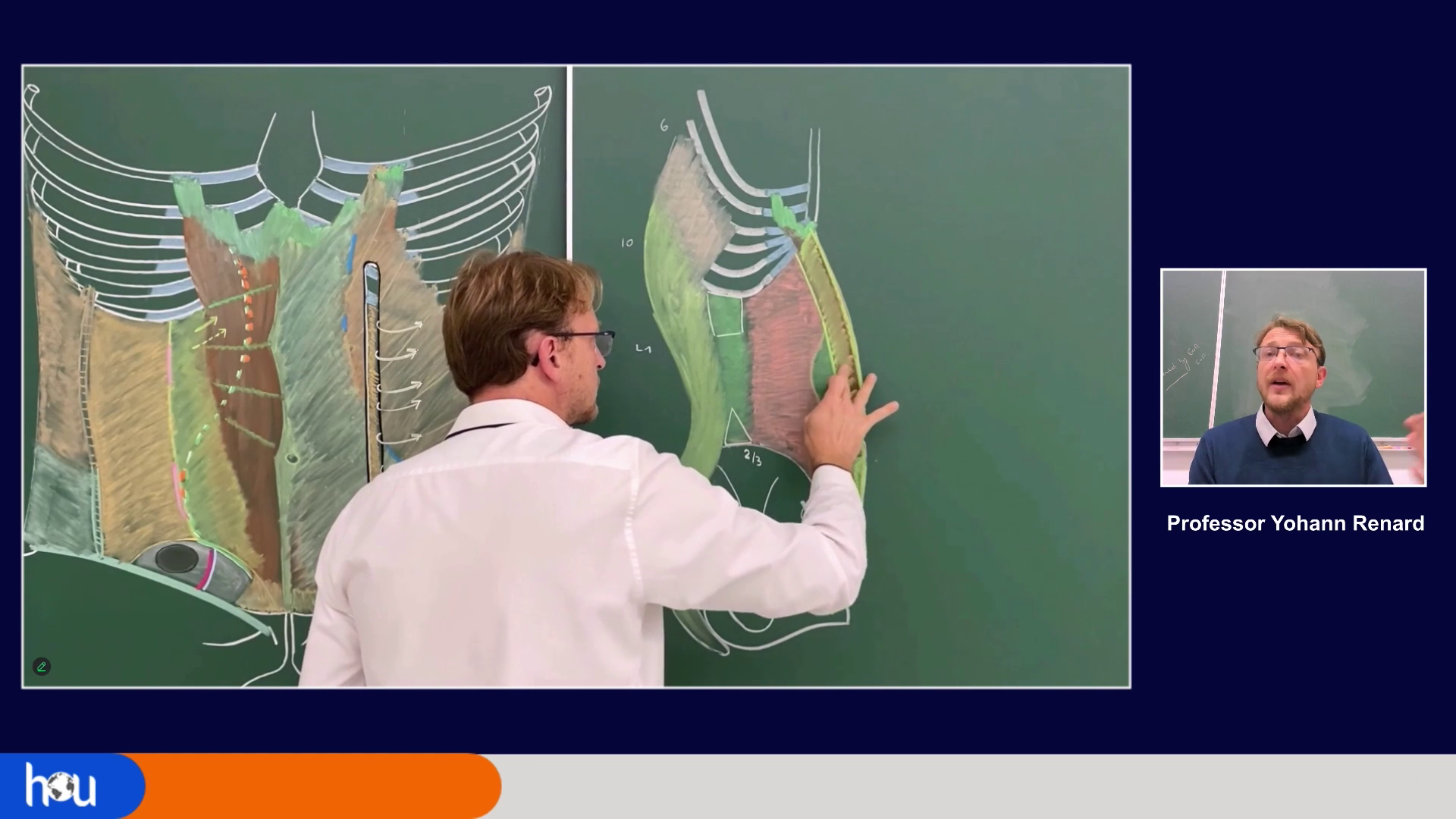
Let’s Chalk About Anatomy Series part 2: Anatomy of Lumbar Hernia and Anterior Component Separation
Professor Renard from Reims, France is a surgeon who specializes in anatomy with expertise in the treatment of complex and incisional hernias. He is known around the world for his chalk anatomy drawings. This is part two, - “Anatomy of Lumbar Hernia and Anterior Component Separation” of our three-part “Let’s Chalk About Anatomy Series”
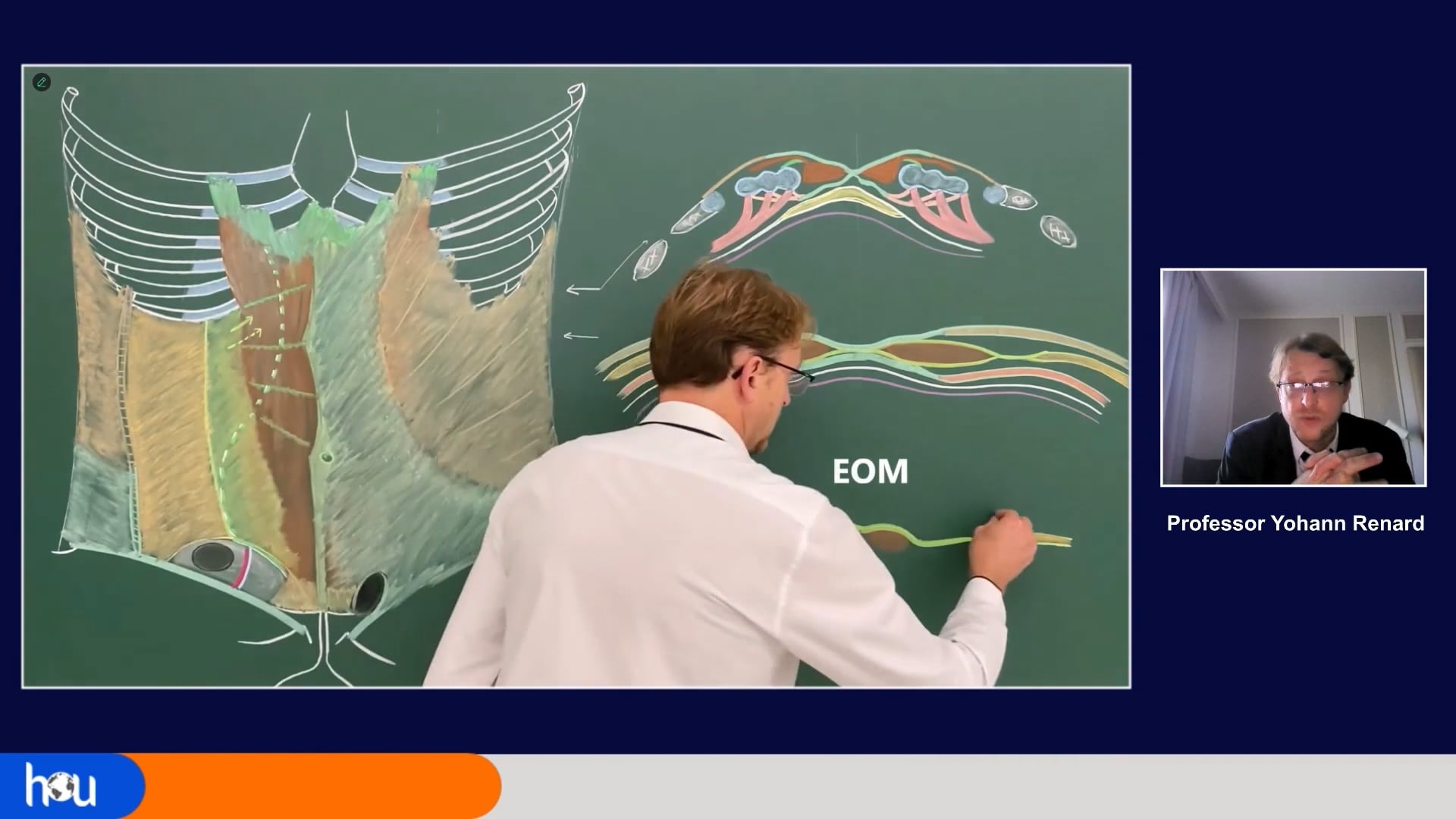
Lets Chalk About Anatomy Series Part 1: Abdominal Wall Anatomy Overview
Professor Renard from Reims, France is a surgeon who specializes in anatomy with expertise in the treatment of complex and incisional hernias. He is known around the world for his chalk anatomy drawings. This is part one, -“Abdominal Wall Anatomy Overview” of our three-part series.
Hernia Night Live: Advancements in Robotic Inguinal Hernia Repair with Dr James Bittner & Dr Yuri Novitsky
The presentation highlights the growing trend of robotic inguinal hernia repair, showcasing its outcomes and learning curve. It compares surgical approaches, noting a shift towards robotic techniques. Post-operative pain analysis suggests less pain and faster recovery with robotic methods. Training on mesh placement and the importance of preoperative imaging are discussed, along with the preference for robotic surgery in complex cases. The session wraps up with gratitude and well wishes.
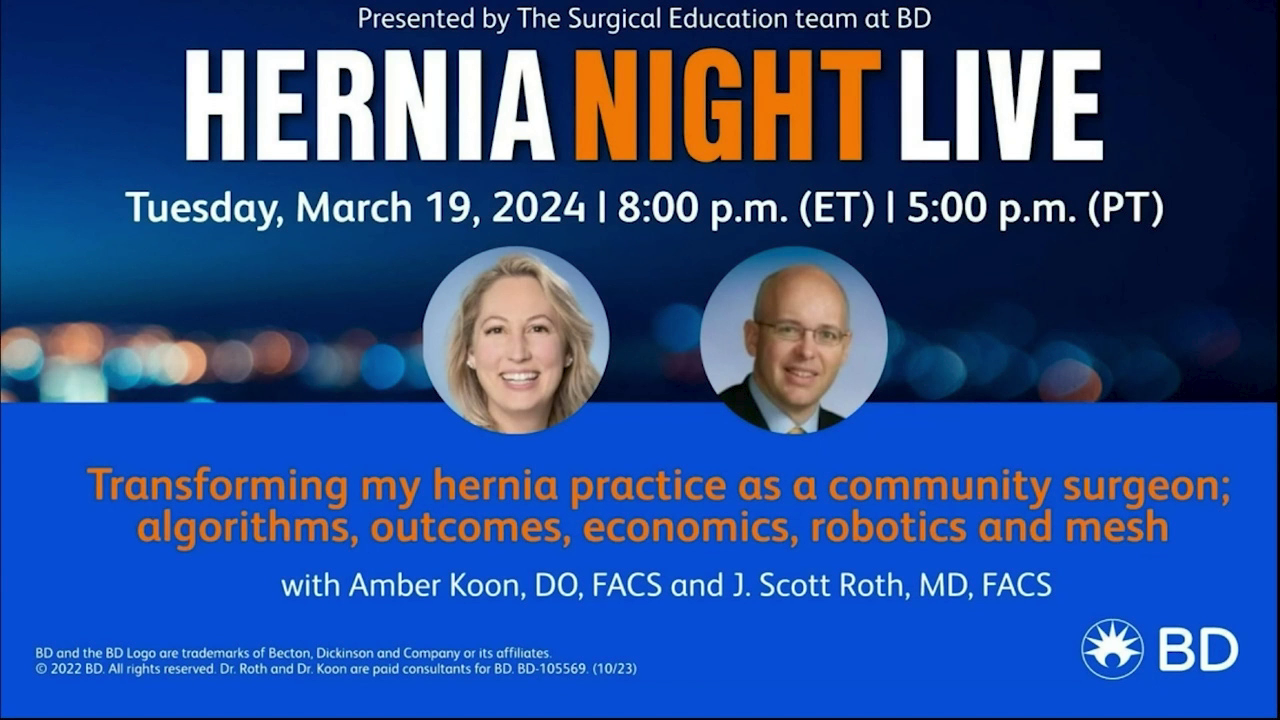
HNL: Transforming my hernia practice as a community surgeon; algorithms, outcomes, economics, robotics and mesh
Dr. Amber Koon shares her journey in revolutionizing her hernia practice as a young community-based surgeon and making a positive impact on her patients' lives. During this presentation, she will highlight the utilization of Phasix™ Mesh for acute care patients. Dr. Koon will delve into her decision-making algorithm for hernia repair and her pursuit of expertise in more advanced robotic procedures, all while enhancing her knowledge of intricate mesh materials. As a community-based surgeon with a focus on advanced robotics, comprehending the value-based shared care model and effectively monitoring patient outcomes is integral to her success.
Advanced MIS Inguinal Hernia Repair Post
Moderator Presenters David C. Chen MD, FACS Associate Professor of Clinical Surgery Associate Director of Surgical Education Clinical Director, Lichtenstein Amid Hernia Clinic at UCLA Section of Minimally Invasive Surgery UCLA Division of General Surgery Santa Monica, CA David J. Lourié MD, FACS, FASMBS Director, Minimally Invasive Surgery Director, Bariatric Surgery Huntington Hospital Pasadena, California Thomas J. Swope MD, [...]
Role of Phasix™ in Complex Abdominal Hernia Repair With Tim Tollens, MD Post
General Surgeon, Imelda Hospital Bonheiden, Belgium Unit Head- Surgery Seth G S Medical College and KEM Hospital Mumbai, India
Surgical Evolution in Hiatal Hernia Repair Post
Adjunct Professor of Surgery at Ohio State University, USA Director of the General, Bariatric, Laparoscopic and Robotic Surgical Clinic Medical Center Athens Scientific Director of Athens Medical and Pediatric Center and Athens Medical Group
Debate on Hiatal Hernias- Mesh vs No Mesh Post
Division of Gastrointestinal and Minimally Invasive Surgery The Oregon Clinic Portland, OR Moderated By: Institute of Esophageal and Reflux Surgery Englewood, CO Professor of Surgery Vice Chair Department of General Surgery Head Upper-GI-Service Lead Coordinator Comprehensive Cancer Center - GET- Unit Tumors Unit (CCC-GET) Head Esophageal Functional Laboratory Medical University of Vienna Department of Surgery
Hiatus Hour: Ask the Expert – Panel Discussion Post
Division of Gastrointestinal and Minimally Invasive Surgery The Oregon Clinic Portland, OR Professor of Surgery Chief, Division of General Surgery Medical College of Wisconsin Wauwatosa, WI Professor of Surgery Frank Glenn Faculty Scholar in Surgery Director of Robotic Surgery Weill Cornell Medicine Division of Endocrine and Minimally Invasive Surgery Department of Surgery New York, NY
Managing Post-operative Complications
Presented By: Stephen J. Kovach, MD, FACS Associate Professor of Surgery Department of Surgery, Division of Plastic Surgery Associate Professor of Surgery Department of Orthopaedic Surgery Herndon B. Lehr Endowed Associate Professor University of Pennsylvania School of Medicine Philadelphia, PA
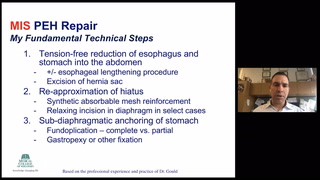
Paraesophageal Hernia Repair:Technical Steps and Tools for Your Toolbox
Presented By: Jon Gould, MD, FACS, FASMBS Professor of Surgery and Chief, Division of General Surgery Medical College of Wisconsin Wauwatosa, WI
Part 1 of IPOM Panel Talk Series
Part 1 of our IPOM Series with surgeons from around the globe! During these events we will have a panel of key opinion leaders in this space discussing IPOM; how it has evolved over time, if there is still a place for it; procedural pros and cons, clinical publications as well as reviewing interesting case overviews.
Advanced MIS Inguinal Hernia Repair Post
Moderator Presenters David C. Chen MD, FACS Associate Professor of Clinical Surgery Associate Director of Surgical Education Clinical Director, Lichtenstein Amid Hernia Clinic at UCLA Section of Minimally Invasive Surgery UCLA Division of General Surgery Santa Monica, CA David J. Lourié MD, FACS, FASMBS Director, Minimally Invasive Surgery Director, Bariatric Surgery Huntington Hospital Pasadena, California Thomas J. Swope MD, [...]
Debate on Hiatal Hernias- Mesh vs No Mesh Post
Division of Gastrointestinal and Minimally Invasive Surgery The Oregon Clinic Portland, OR Moderated By: Institute of Esophageal and Reflux Surgery Englewood, CO Professor of Surgery Vice Chair Department of General Surgery Head Upper-GI-Service Lead Coordinator Comprehensive Cancer Center - GET- Unit Tumors Unit (CCC-GET) Head Esophageal Functional Laboratory Medical University of Vienna Department of Surgery
Hiatus Hour: Ask the Expert – Panel Discussion Post
Division of Gastrointestinal and Minimally Invasive Surgery The Oregon Clinic Portland, OR Professor of Surgery Chief, Division of General Surgery Medical College of Wisconsin Wauwatosa, WI Professor of Surgery Frank Glenn Faculty Scholar in Surgery Director of Robotic Surgery Weill Cornell Medicine Division of Endocrine and Minimally Invasive Surgery Department of Surgery New York, NY
CAWR Ask the Expert – Panel Discussion
Assistant Professor of Surgery Division of Plastic and Reconstructive Surgery University of Pennsylvania Health System Philadelphia, PA Associate Professor of Surgery Department of Surgery, Division of Plastic Surgery Associate Professor of Surgery Department of Orthopaedic Surgery Herndon B. Lehr Endowed Associate Professor University of Pennsylvania School of Medicine Philadelphia, PA Assistant Professor of Surgery Oregon Health and Science University Portland, OR Professor of Surgery, Chief [...]
Translating Scientific Discoveries into Medical Innovation
Dr. George Hussey of the McGowan Institute for Regenerative Medicine discusses the institute's approach to translating scientific discoveries into medical innovation. He reviews scientific evidence and data from clinical and preclinical studies.
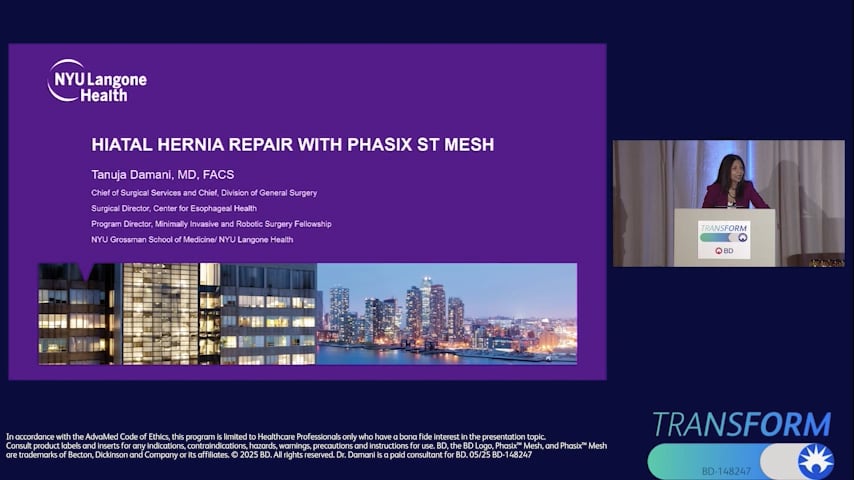
Hiatal Hernia Repair with Phasix™ ST Mesh
Tanuja Damani, MD, FACS spoke during TRANSFORM in January 2025. In this presentation she reviews paraesophageal hernias and technique for repair. She discusses outcomes with mesh repair while helping the audience understand benefits and drawbacks of current mesh technology for hiatal hernia repair. She introduces Phasix™ ST Mesh and her rationale as well as evidence for clinical use in hiatal hernia repair. Finally she discusses a robotic approach to primary and revisional paraesophageal hernia repair.
Comprehensive Summary: Advancing Hernia Surgery – A Chronic Disease Framework
Hernias are now viewed as chronic conditions, with emphasis shifting from recurrence elimination to long-term management and quality of life. Surgeons must communicate transparently to build trust. Hernia repair materials have evolved significantly. Dr. Docimo discusses his clinical experience and adoption of bioabsorbable mesh while addressing quality of life as a central metric measured by patient-reported quality of life rather than just recurrence rates. He encourages surgeons to adopt a data-driven, patient-centered approach, contribute to research, and support standardized care through initiatives like Centers of Excellence and looking at the evolution of Hernia Surgery.
A Holistic Approach to Hernia Repair
A Holistic Approach to Hernia Repair Recorded at Transform 2025 Global Hernia Symposium Miami, FL| January 24, 25 with Crystal Totten, MD, FACS
Dr. Badylak: Phasix™ Mesh
This session features Dr. Stephen Badylak’s lecture “The Science of Phasix™ Mesh Powered by P4HB” with Spanish subtitles. In this broadcast Dr. Badylak, Deputy Director of the McGowan Institute for Regenerative Medicine and Director of the Center for Pre-Clinical Engineering at the Institute, provides a deep dive into the science of Phasix™ Mesh. Discussion includes the origins of Phasix™ Mesh, its rare composition, how its unique properties differentiate it from other bioresorbable materials, an overview of the degradation process and how it reacts in-vivo studies.
Published Clinical Evidence for P4HB in Abdominal Wall Reconstruction | Dr Amit Badhwar
A Summary of the Published Clinical Evidence for P4HB in Abdominal Wall Reconstruction (AWR)
HNL: Transforming my hernia practice as a community surgeon; algorithms, outcomes, economics, robotics and mesh
Dr. Amber Koon shares her journey in revolutionizing her hernia practice as a young community-based surgeon and making a positive impact on her patients' lives. During this presentation, she will highlight the utilization of Phasix™ Mesh for acute care patients. Dr. Koon will delve into her decision-making algorithm for hernia repair and her pursuit of expertise in more advanced robotic procedures, all while enhancing her knowledge of intricate mesh materials. As a community-based surgeon with a focus on advanced robotics, comprehending the value-based shared care model and effectively monitoring patient outcomes is integral to her success.
Building up new evidences: The PREVENT trial
Video Description: At #IHS25, William Hope presents “Building Up New Evidence: The PREVENT Trial”, highlighting groundbreaking research focused on incisional hernia prevention. This session delves into the design, goals, and early findings of the PREVENT trial, aiming to shape future standards in surgical practice through robust clinical evidence (BD-151781).
Prevention in colorectal laparoscopic approach
Video Description: At #IHS25, Manos Pikoulis presents “Prevention in Colorectal Laparoscopic Approach”, focusing on strategies to reduce the risk of incisional hernias in minimally invasive colorectal surgery. This session highlights preventive techniques, mesh use, and evidence-based practices aimed at improving long-term surgical outcomes (BD-151781)
Consensus paper hiatal hernia repair in bariatric surgery
At #IHS25, Silvia Weiner presents “Consensus Paper: Hiatal Hernia Repair in Bariatric Surgery”, unveiling key recommendations from a multidisciplinary expert panel. This session discusses standardized approaches, surgical techniques, and clinical considerations for managing hiatal hernias in bariatric patients, aiming to improve outcomes through consensus-driven best practices (BD-151781).
It is time for IH prevention in colorectal surgery?
At #IHS25, Pierpaolo Sileri presents “Is It Time for Incisional Hernia Prevention in Colorectal Surgery?”, addressing the growing need to integrate hernia prevention strategies into colorectal procedures. This session explores current evidence, surgical techniques, and the potential impact of proactive measures on long-term patient outcomes BD-151781).
The journey from CAWR to AWR
At #IHS25, Fernando Ferreira presents “The Journey from CAWR to AWR”, tracing the evolution from complex abdominal wall reconstruction to broader abdominal wall repair strategies. This session explores how surgical techniques, patient selection, and mesh technologies have advanced to support more personalized and effective hernia care (148029)
Update on the HerniaMed registry
At #IHS25, Ferdinand Köckerling presents “Update on the HerniaMed Registry”, offering the latest insights from one of the most comprehensive hernia surgery databases in Europe. This session highlights new data trends, clinical outcomes, and how registry-driven research is shaping best practices in hernia care (BD-151781).
Understand the problem
At #IHS25, Henry Hoffmann presents “Understand the Problem”, a session dedicated to the clinical and functional implications of diastasis recti. This talk explores the anatomical challenges, diagnostic considerations, and the importance of recognizing diastasis as a distinct condition requiring tailored evaluation and management strategies (BD-151781 (06/2025).
How we can decide?
At #IHS25, Alessandro Carrara presents “How We Can Decide?”, a session centered on clinical decision-making in the management of diastasis recti. This talk explores assessment tools, patient selection criteria, and the balance between conservative and surgical approaches, helping clinicians navigate the complexities of individualized treatment planning (BD-151781).
TARUP procedure
At #IHS25, Davide Cavaliere presents “TARUP Procedure”, highlighting a novel approach to retromuscular hernia repair. This session explores the principles and techniques behind Transabdominal Retromuscular Umbilical Prosthesis, offering insights into its advantages for midline hernias and its role in modern abdominal wall reconstruction (BD-151781).
Hiatal hernia in an emergency setting
At #IHS25, Micaela Piccoli presents “Hiatal Hernia in an Emergency Setting”, addressing the urgent challenges and decision-making involved in managing acute hiatal hernia cases. This session explores diagnostic strategies, surgical interventions, and critical considerations for optimizing outcomes in high-risk, time-sensitive scenarios(BD-151781).
Do we still need a fundoplication?
At #IHS25, Björn Siemssen presents “Do We Still Need a Fundoplication?”, examining the evolving role of fundoplication in the treatment of hiatal hernias and gastroesophageal reflux. This session explores current evidence, alternative techniques, and patient-specific considerations to determine when fundoplication remains the best option—or when it may no longer be necessary (BD-151781)
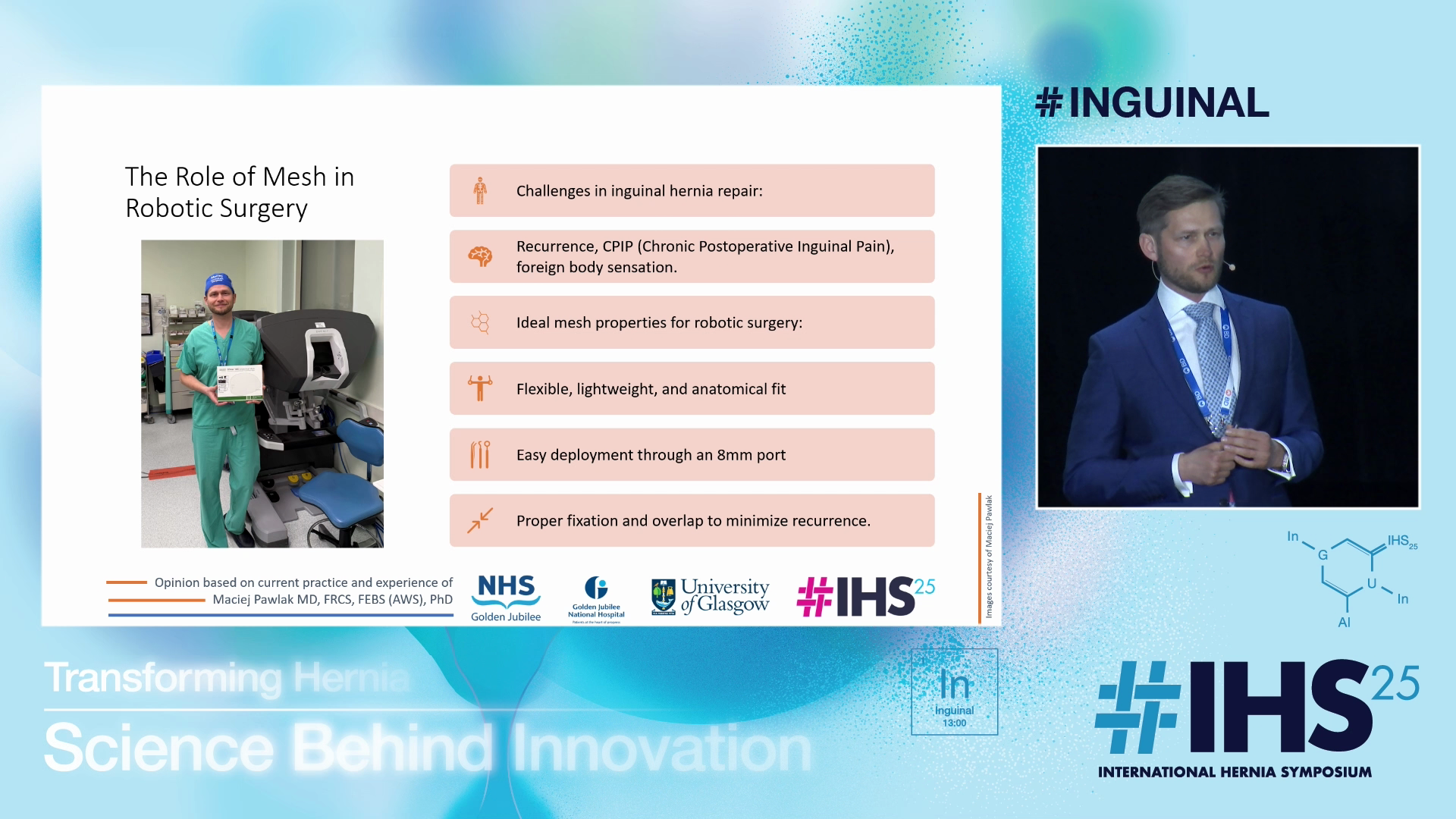
Surgeon experience with 3DMax™ MID anatomical mesh
At #IHS25, Prof. Maciej Pawlak shares his clinical experience in the session titled “Surgeon Experience with 3DMax™ MID Anatomical Mesh in Inguinal Hernia Robotic Repair.” This presentation explores the practical benefits, outcomes, and considerations of using 3DMax™ MID mesh in robotic-assisted hernia surgery, offering valuable insights for surgeons adopting advanced mesh technologies in minimally invasive procedures. BD-151781