

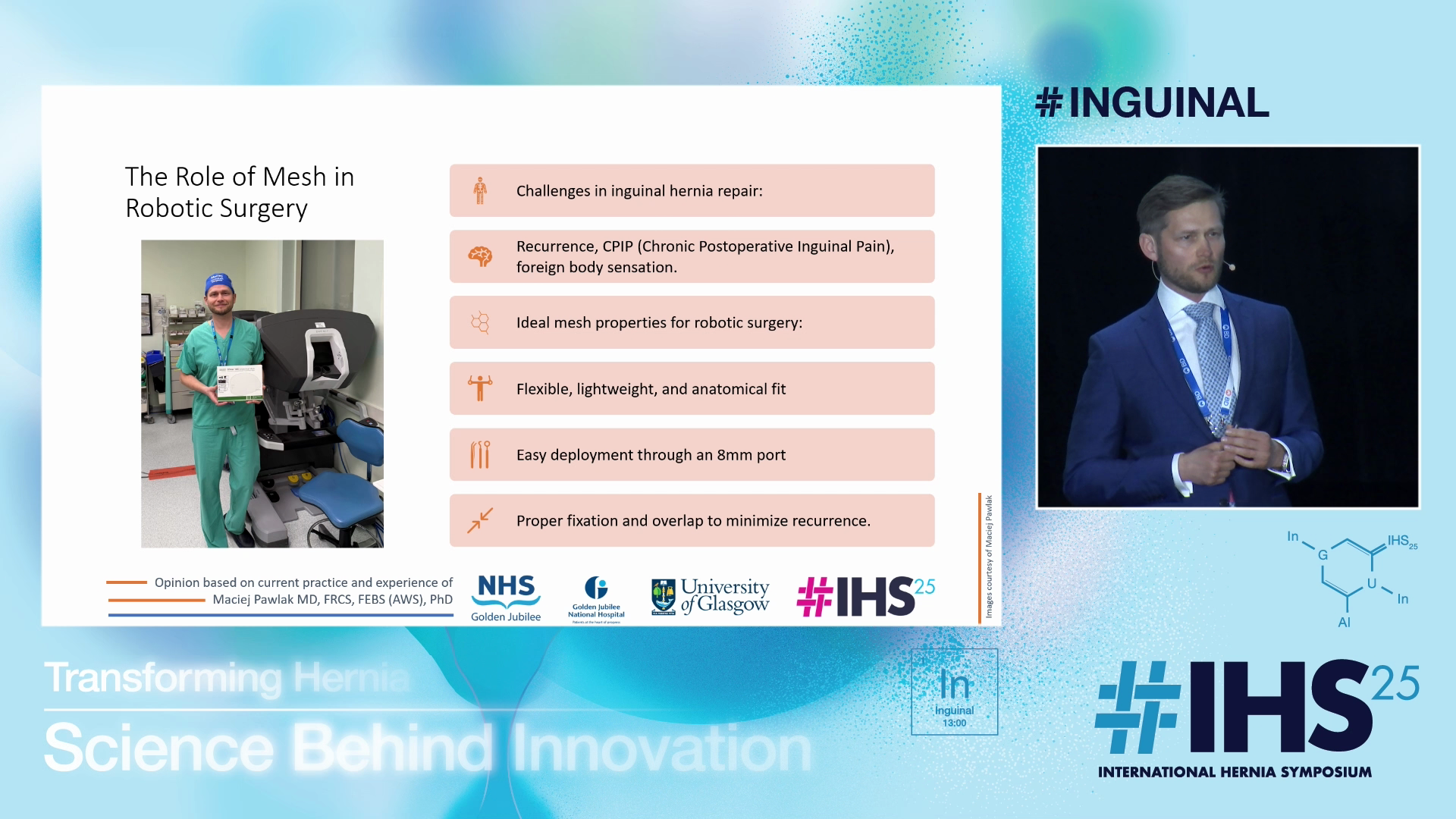
Surgeon experience with 3DMax™ MID anatomical mesh
At #IHS25, Prof. Maciej Pawlak shares his clinical experience in the session titled “Surgeon Experience with 3DMax™ MID Anatomical Mesh in Inguinal Hernia Robotic Repair.” This presentation explores the practical benefits, outcomes, and considerations of using 3DMax™ MID mesh in robotic-assisted hernia surgery, offering valuable insights for surgeons adopting advanced mesh technologies in minimally invasive procedures. BD-151781
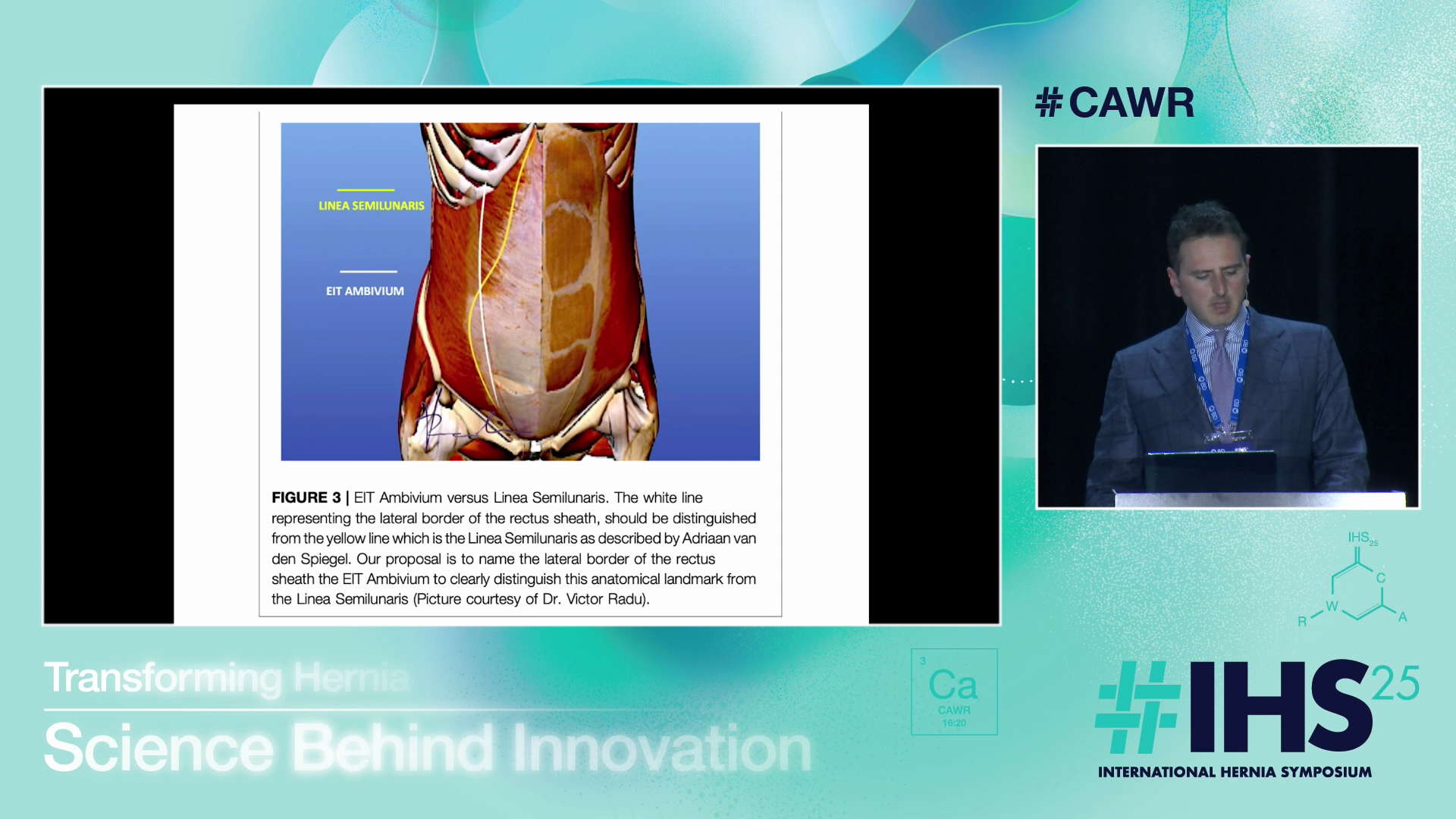
Robotic approach for a TAR procedure
At #IHS25, Prof. Giampaolo Formisiano presents “Robotic Approach for a TAR Procedure”, showcasing the integration of robotic technology in transversus abdominis release. This session highlights surgical precision, patient outcomes, and the evolving role of robotics in complex abdominal wall reconstruction.
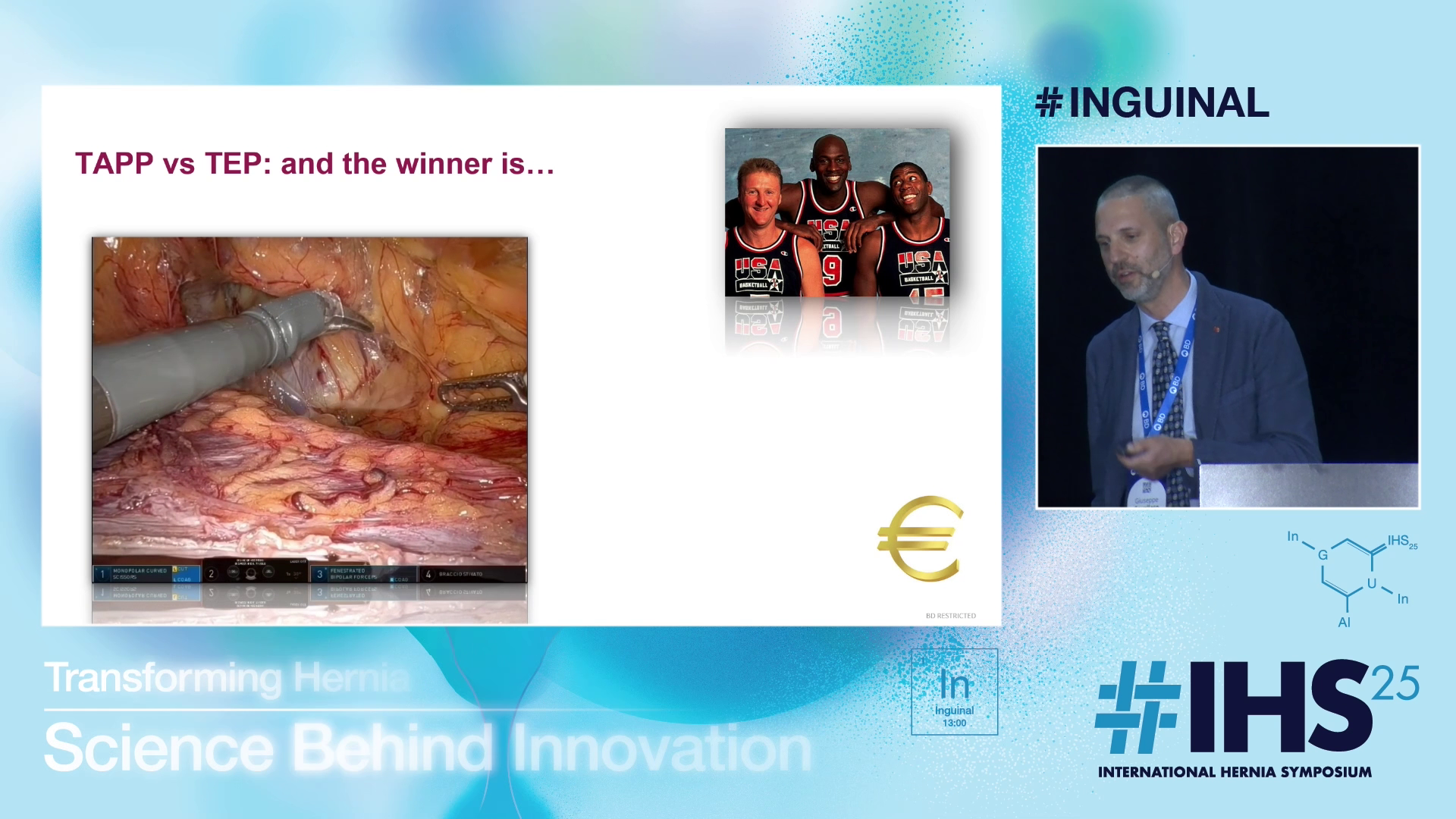
TAPP or TEP? The importance of mesh technology and fixation
At #IHS25, Prof. Giuseppe Cavallaro presents “TAPP or TEP? The Importance of Mesh Technology and Fixation”, offering a comparative look at two key laparoscopic techniques for inguinal hernia repair. This session emphasizes how mesh selection and fixation methods influence outcomes, guiding surgeons in making evidence-based decisions for optimal patient care. (BD-151781)
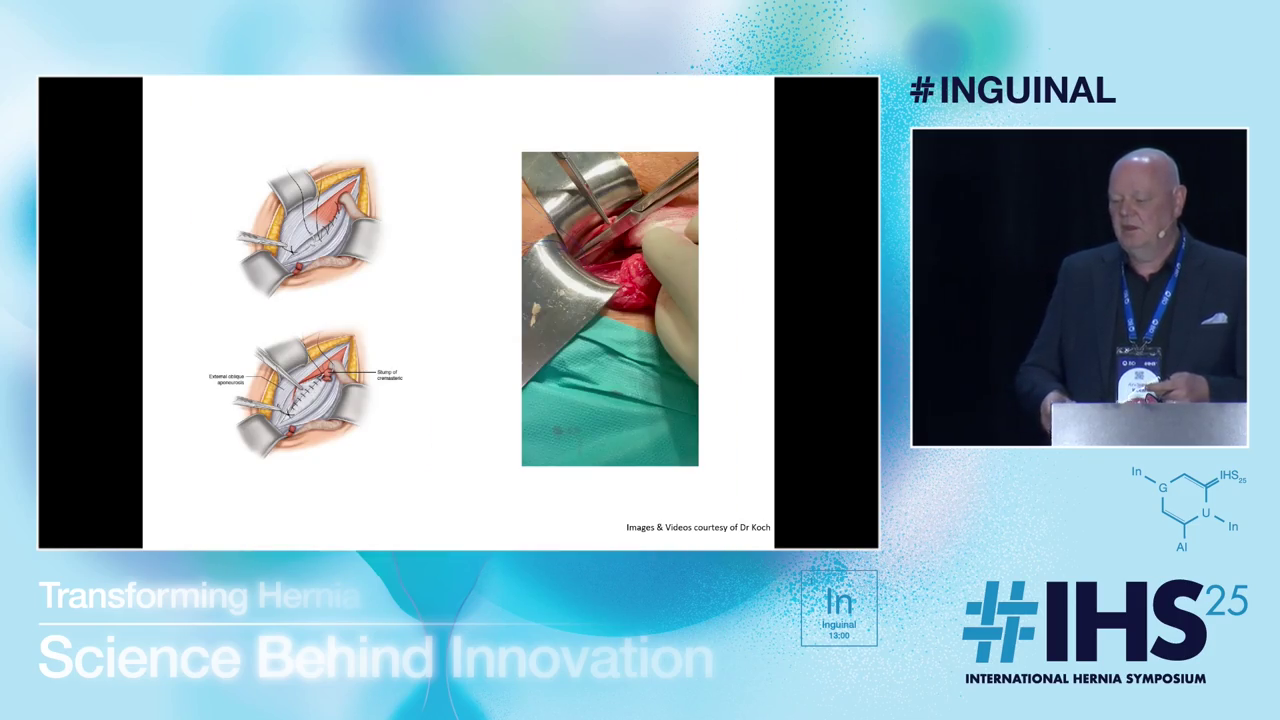
Tailored approach in open inguinal hernia surgery
At #IHS25, Andreas Koch presents “Tailored Approach in Open Inguinal Hernia Surgery,” tracing the evolution from classic Shouldice repair to modern reinforced techniques. This session delves into patient-specific decision-making, the role of tissue-based repairs, and how individualized strategies can optimize outcomes in open inguinal hernia repair. Attendees will gain insights into balancing tradition with innovation in hernia surgery. BD-151781
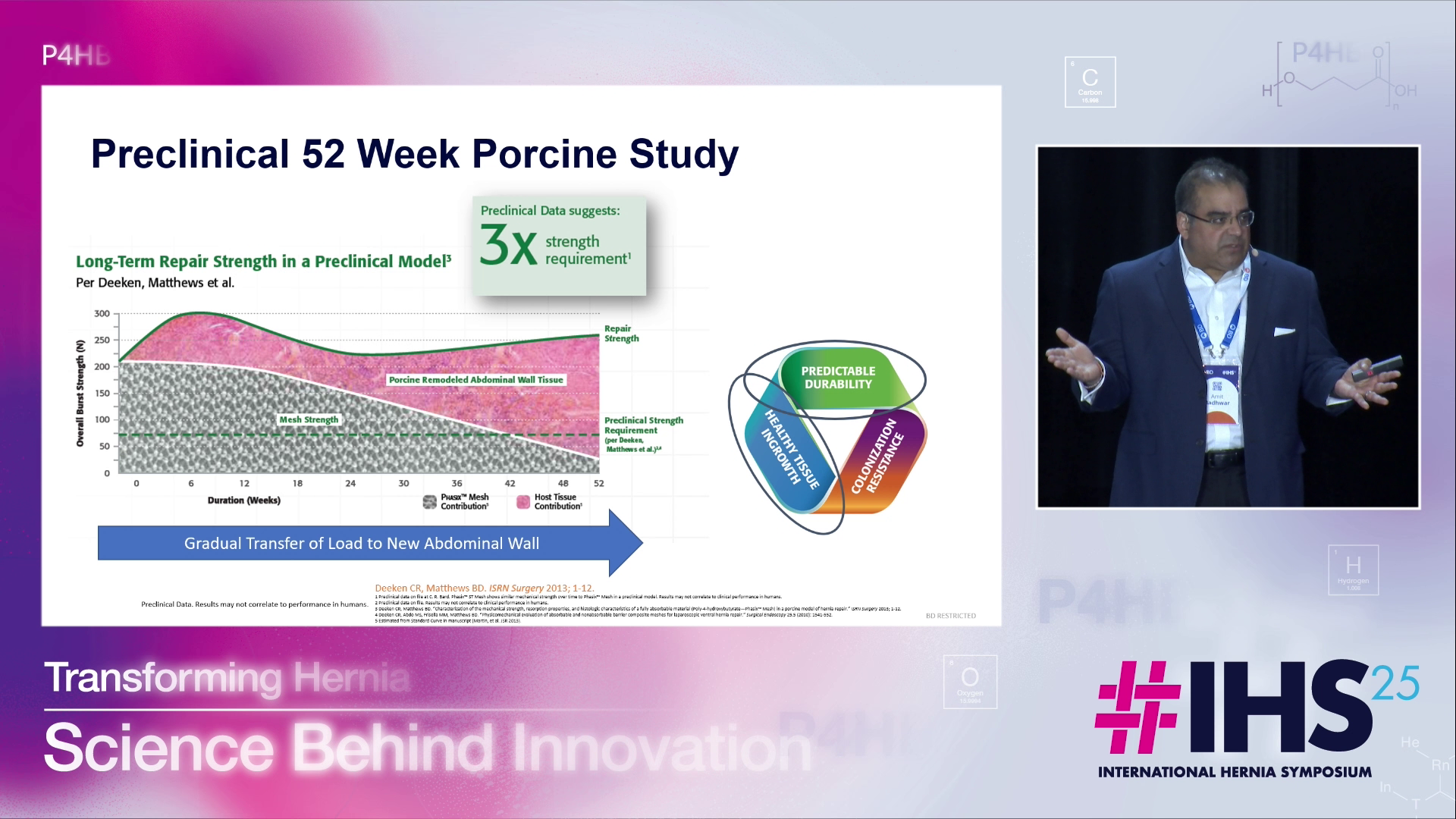
Phasix™ Mesh Fully Resorbable Implant for Soft Tissue
At #IHS25, PhD Amit Badhwar presents “Phasix™ Mesh: Fully Resorbable Implant for Soft Tissue”, focusing on the P4HB (poly-4-hydroxybutyrate) technology. This session explores the science behind fully resorbable mesh, its clinical applications in soft tissue repair, and the potential benefits for patient recovery and long-term outcomes. BD-151781
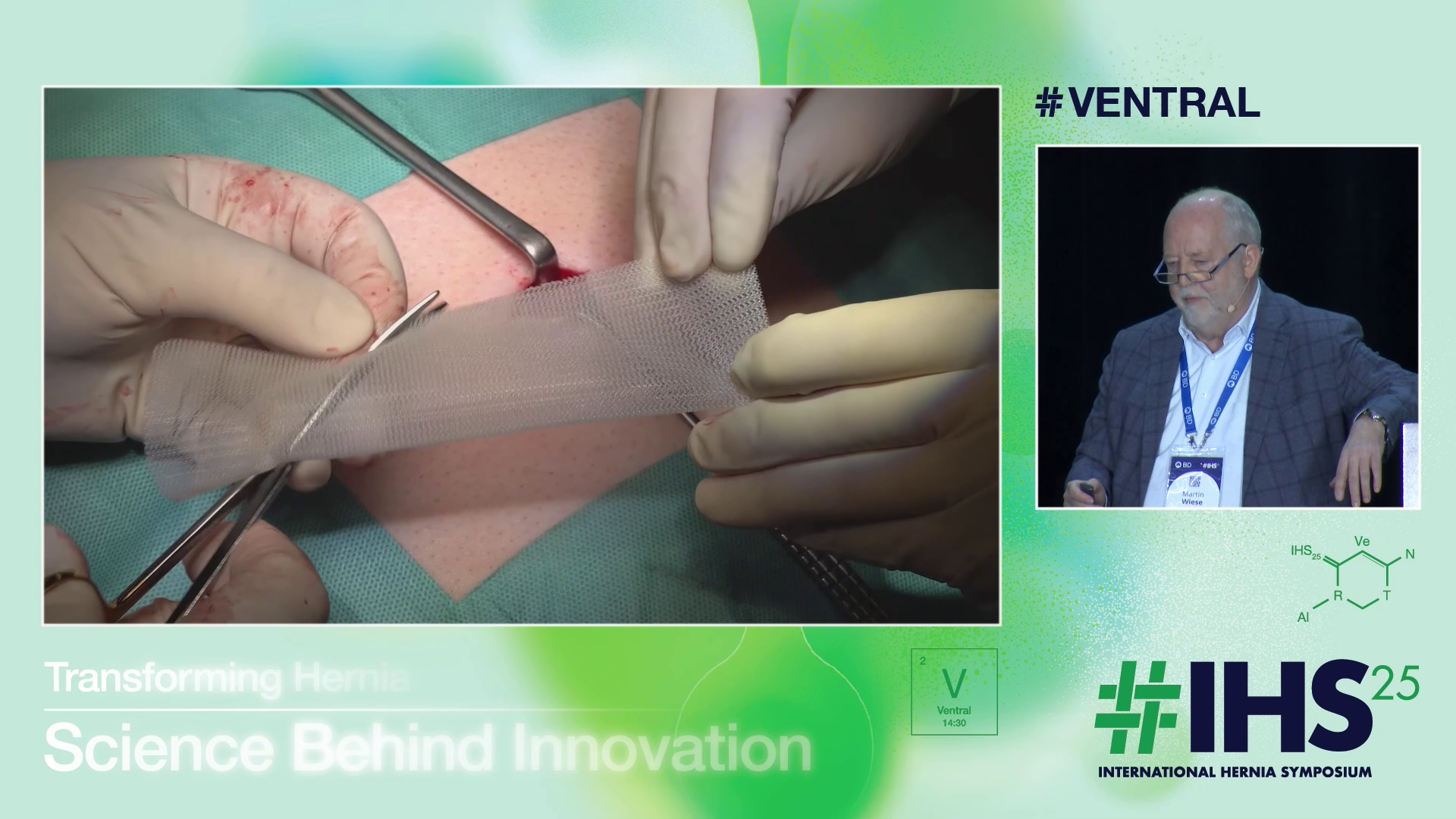
Redefining umbilical repair: PUMP using PhasixTM
At #IHS25, Martin Wiese presents “Redefining Umbilical Repair: PUMP Using Phasix™”, introducing a novel approach to umbilical hernia repair. This session highlights the PUMP technique and the role of Phasix™ Mesh, a fully resorbable implant, in enhancing outcomes through advanced soft tissue integration and long-term support. BD-151781
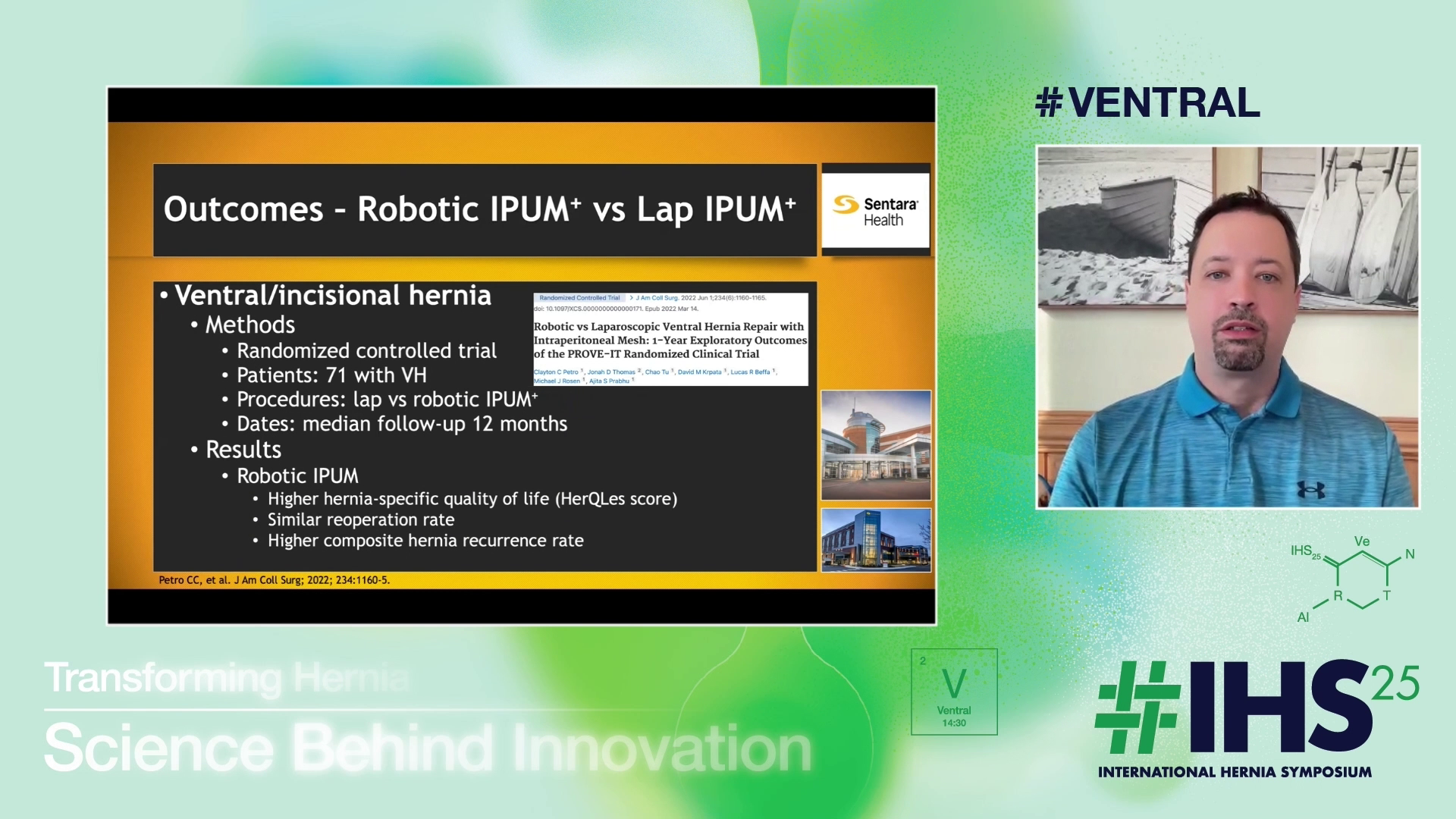
IPOM+ but respect the indication
At #IHS25, James Bittner presents “IPOM+ but Respect the Indication”, offering a critical perspective on the use of IPOM+ in hernia repair. This session emphasizes the importance of patient selection, surgical indications, and technique refinement to ensure optimal outcomes in minimally invasive abdominal wall surgery. (BD-151781)
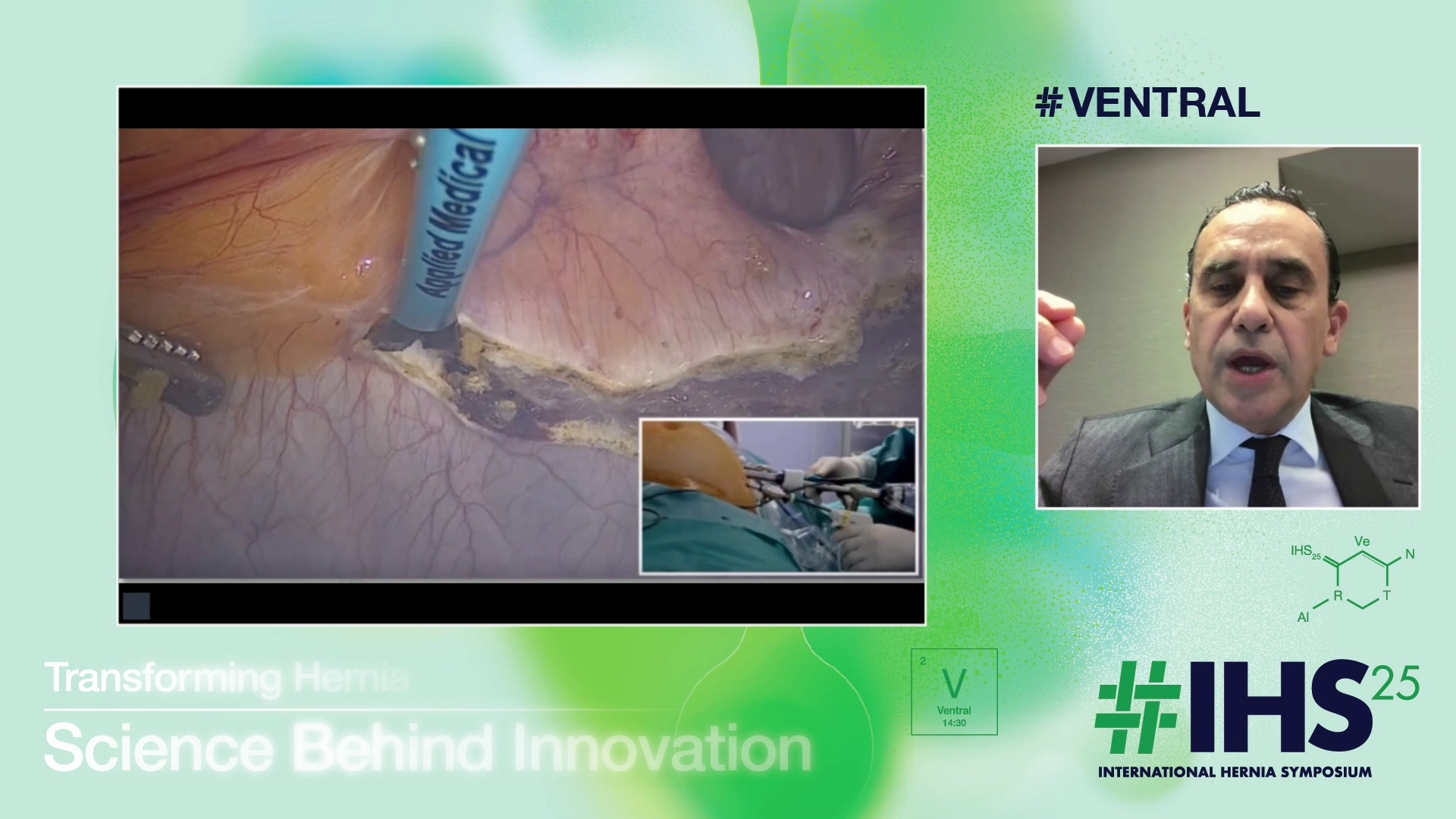
LIRA: Evolvement in lap ventral repair
At #IHS25, Salvador Morales-Conde presents “LIRA: Evolvement in Laparoscopic Ventral Repair”, introducing the LIRA technique as a significant advancement in minimally invasive hernia surgery. This session explores how LIRA enhances outcomes in ventral hernia repair through refined laparoscopic methods and improved mesh placement strategies. (BD-151781)
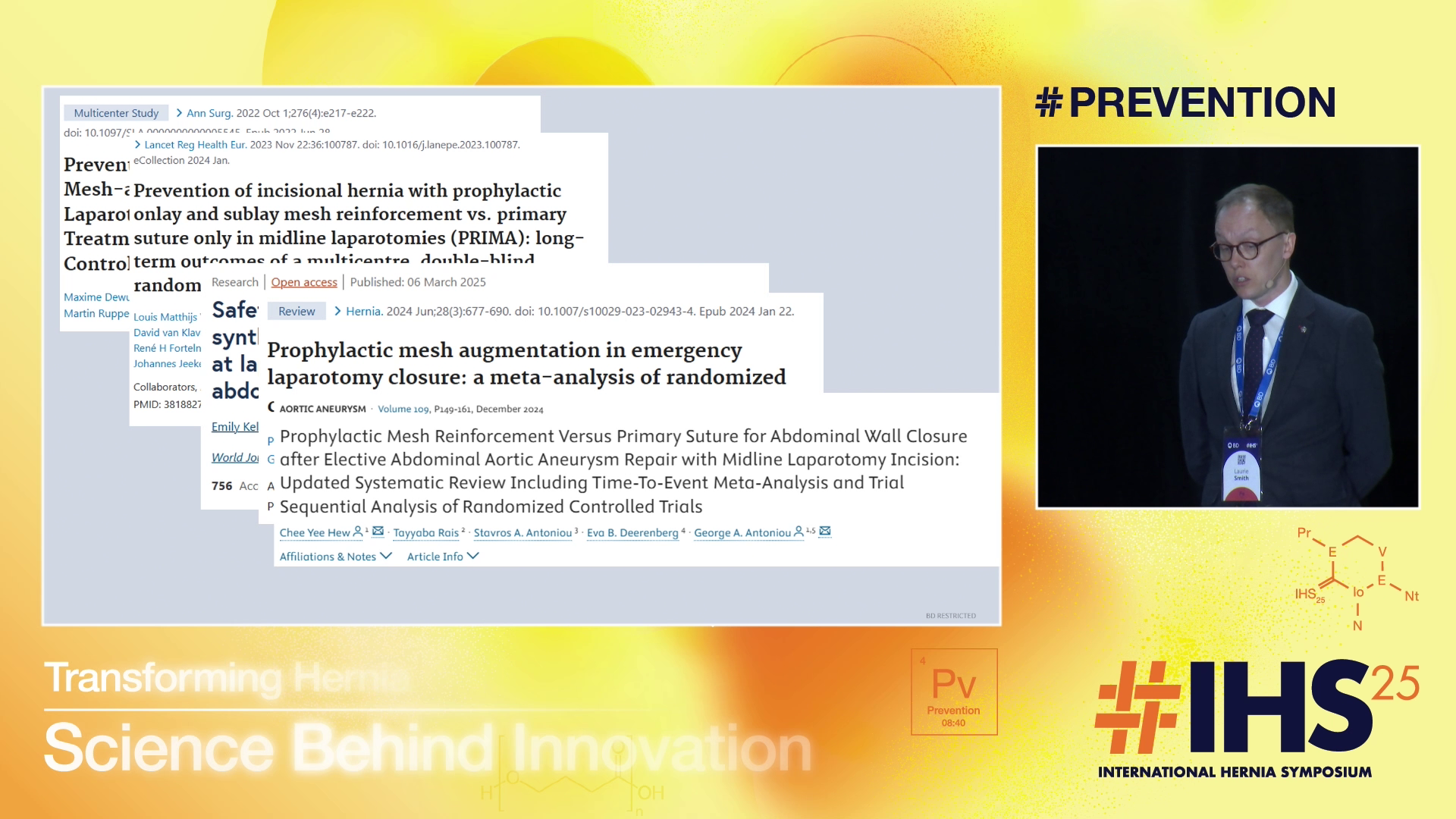
Three Pillars of Incisional Hernia Prevention
At #IHS25, Prof. Laurie Smith presents “Three Pillars of Incisional Hernia Prevention”, outlining key strategies to reduce the risk of incisional hernias. This session focuses on evidence-based techniques, surgical best practices, and patient-centered approaches that form the foundation of effective hernia prevention.
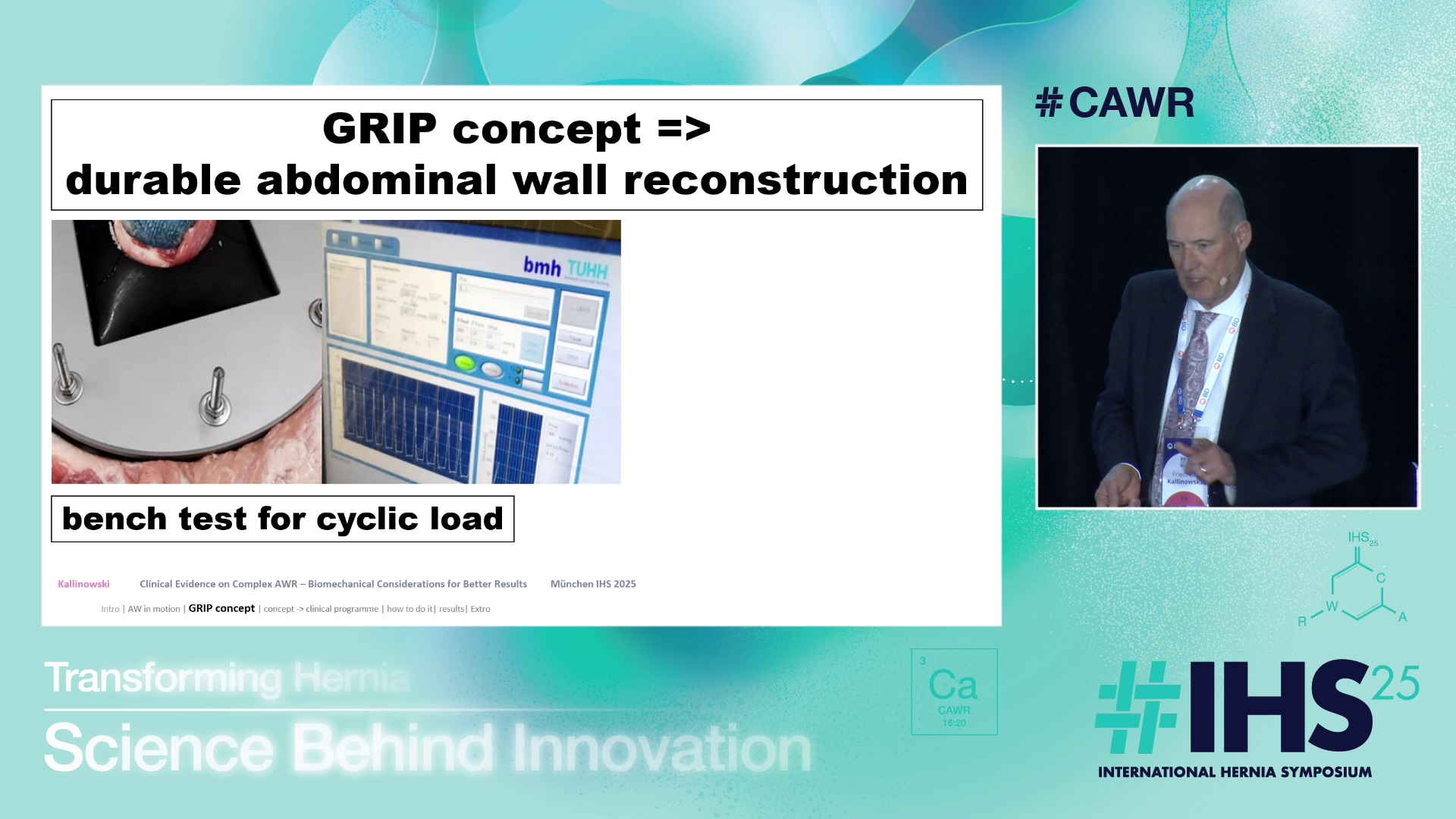
Clinical evidence on CAWR
At #IHS25, Prof. Friedrich Kallinowski presents “Clinical Evidence on CAWR”, offering an in-depth look at the latest data and outcomes in complex hernia reconstruction. This session highlights evidence-based approaches, surgical techniques, and long-term results that are shaping the future of abdominal wall repair. (BD-151781)
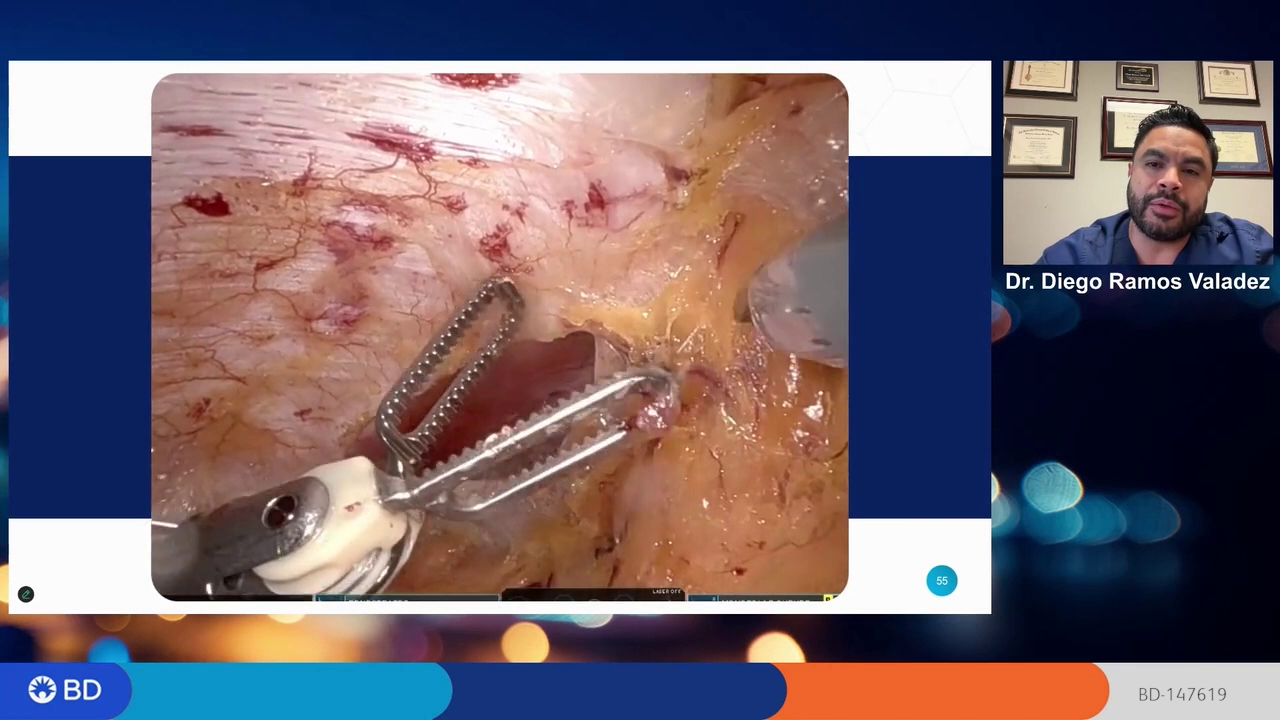
Robotic Ventral Hernia Repair with Dr. Ramos
Robotic Ventral Hernia Repair and Dr. Ramos's approach and algorithm to performing robotic eTEP and robotic TAR surgery in his own
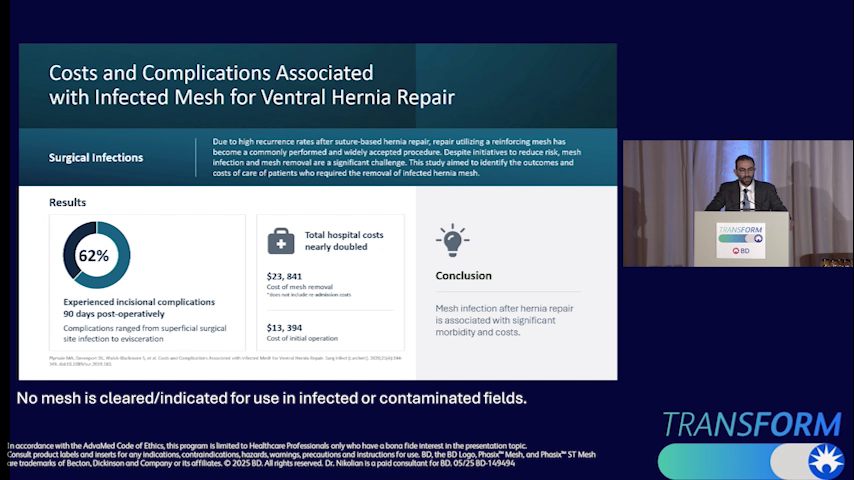
Integrating Phasix™ in a Contemporary Abdominal Wall Program-Data Driven Decisions
Recorded during Transform, a global Hernia Symposium in Miami Florida. Dr. Vahagn Nikolian, MD presented “Integrating Phasix™ in a Contemporary Abdominal Wall Program-Data Driven Decisions” where he discussed his personal journey of integrating Phasix™ Mesh into his practice at a more advanced abdominal wall center.
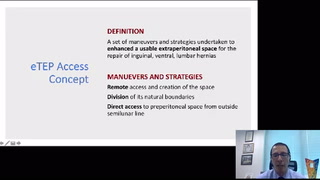
eTEP Approach for Inguinal Hernia Repair: History and Applications Lecture
Presented by: Jorge Daes M.D., FACS from Barranquilla, Colombia
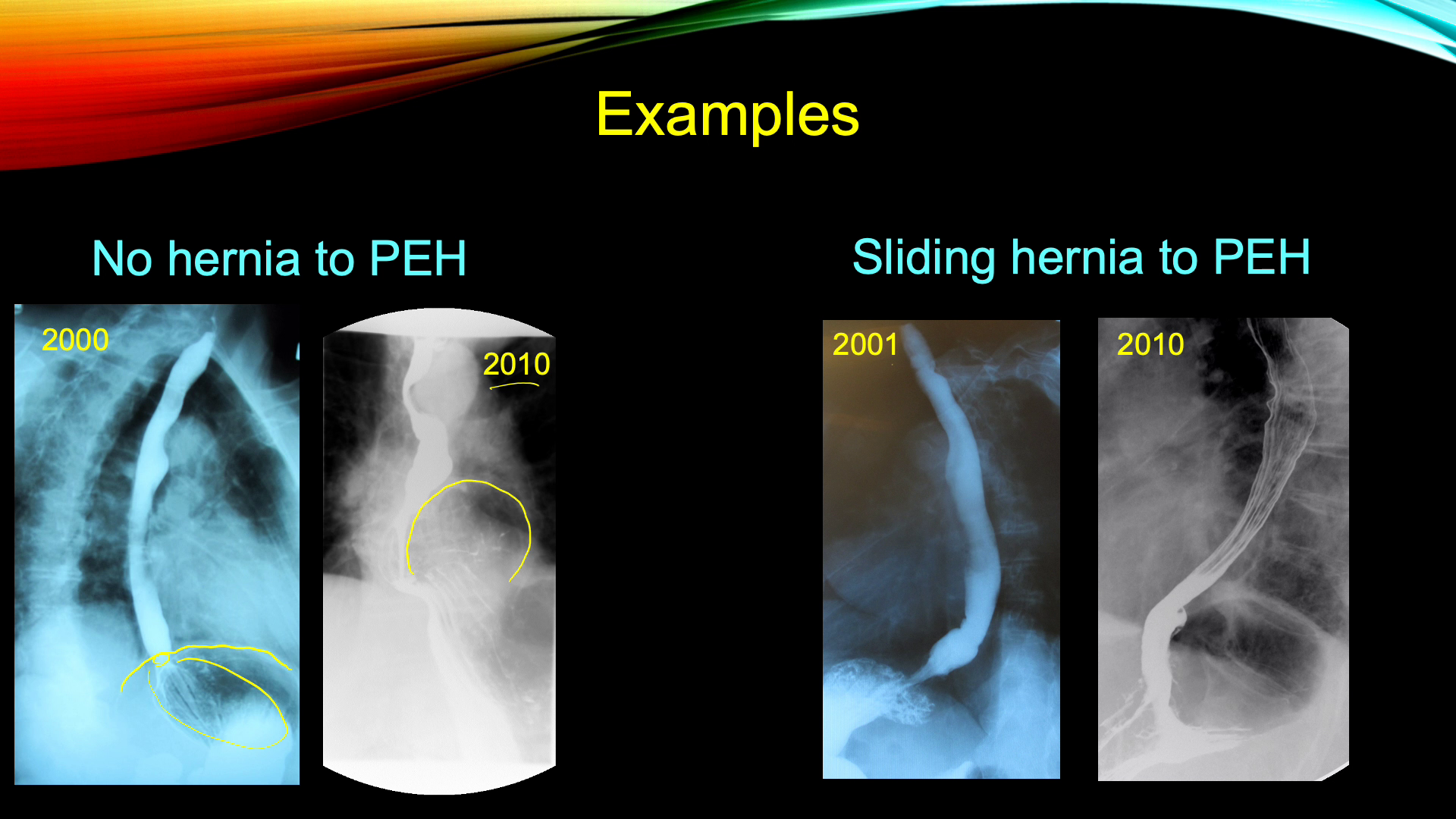
PEH: History, Fundamental Concepts and Adjunct Techniques to Improved Outcomes Lecture
3 Part Lecture Presented by: Steven DeMeester, MD, FACS
Preop Optimization & Prehabilitation Lecture
AWR Pathway OHSU AWR Pathway POCKET GUIDE Sean Orenstein, MD, FACS Assistant Professor of Surgery Oregon Health & Science University Portland, Oregon
Robotic Hiatal Hernia Repair with Dr. Zarnegar
Presented By: Rasa Zarnegar, MD, FACS
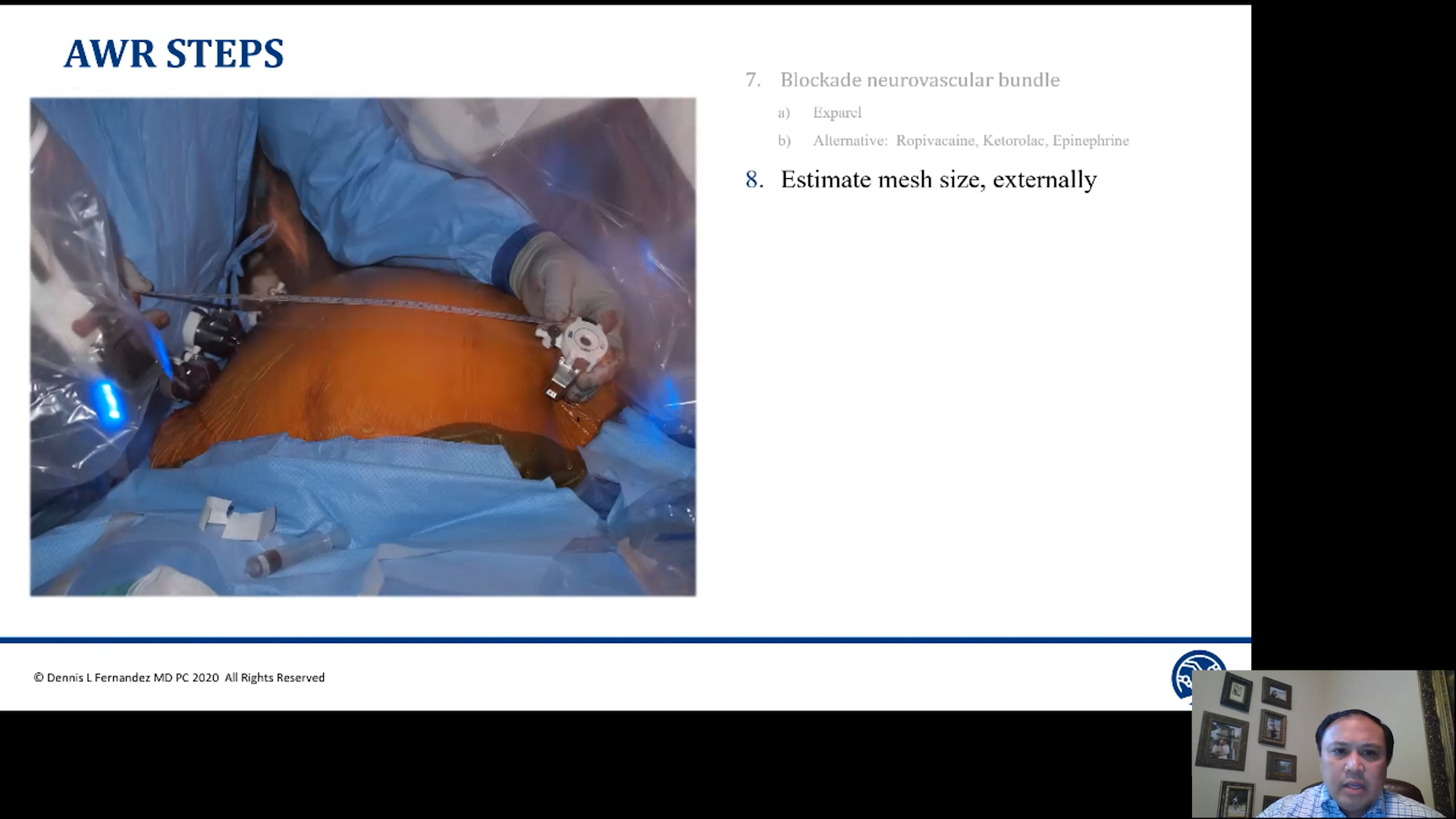
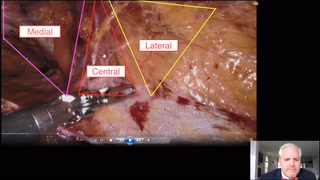
Robotic Unilateral Inguinal Hernia Repair Lecture
Presented by: Thomas Swope, M.D., FACS from Baltimore, Maryland
eTEP Approach for Inguinal Hernia Repair: History and Applications Lecture
Presented by: Jorge Daes M.D., FACS from Barranquilla, Colombia
PEH: History, Fundamental Concepts and Adjunct Techniques to Improved Outcomes Lecture
3 Part Lecture Presented by: Steven DeMeester, MD, FACS
Complex Abdominal Wall Reconstruction: Anatomy & Techniques Lecture
J. Scott Roth, MD, FACS Professor of Surgery Chief, Gastrointestinal Surgery Director, Minimally Invasive Surgery, University of Kentucky Medical Center, Lexington, KY
Robotic approach for a TAR procedure
At #IHS25, Prof. Giampaolo Formisiano presents “Robotic Approach for a TAR Procedure”, showcasing the integration of robotic technology in transversus abdominis release. This session highlights surgical precision, patient outcomes, and the evolving role of robotics in complex abdominal wall reconstruction.
TAPP or TEP? The importance of mesh technology and fixation
At #IHS25, Prof. Giuseppe Cavallaro presents “TAPP or TEP? The Importance of Mesh Technology and Fixation”, offering a comparative look at two key laparoscopic techniques for inguinal hernia repair. This session emphasizes how mesh selection and fixation methods influence outcomes, guiding surgeons in making evidence-based decisions for optimal patient care. (BD-151781)
Tailored approach in open inguinal hernia surgery
At #IHS25, Andreas Koch presents “Tailored Approach in Open Inguinal Hernia Surgery,” tracing the evolution from classic Shouldice repair to modern reinforced techniques. This session delves into patient-specific decision-making, the role of tissue-based repairs, and how individualized strategies can optimize outcomes in open inguinal hernia repair. Attendees will gain insights into balancing tradition with innovation in hernia surgery. BD-151781
Phasix™ Mesh Fully Resorbable Implant for Soft Tissue
At #IHS25, PhD Amit Badhwar presents “Phasix™ Mesh: Fully Resorbable Implant for Soft Tissue”, focusing on the P4HB (poly-4-hydroxybutyrate) technology. This session explores the science behind fully resorbable mesh, its clinical applications in soft tissue repair, and the potential benefits for patient recovery and long-term outcomes. BD-151781
Redefining umbilical repair: PUMP using PhasixTM
At #IHS25, Martin Wiese presents “Redefining Umbilical Repair: PUMP Using Phasix™”, introducing a novel approach to umbilical hernia repair. This session highlights the PUMP technique and the role of Phasix™ Mesh, a fully resorbable implant, in enhancing outcomes through advanced soft tissue integration and long-term support. BD-151781
IPOM+ but respect the indication
At #IHS25, James Bittner presents “IPOM+ but Respect the Indication”, offering a critical perspective on the use of IPOM+ in hernia repair. This session emphasizes the importance of patient selection, surgical indications, and technique refinement to ensure optimal outcomes in minimally invasive abdominal wall surgery. (BD-151781)
LIRA: Evolvement in lap ventral repair
At #IHS25, Salvador Morales-Conde presents “LIRA: Evolvement in Laparoscopic Ventral Repair”, introducing the LIRA technique as a significant advancement in minimally invasive hernia surgery. This session explores how LIRA enhances outcomes in ventral hernia repair through refined laparoscopic methods and improved mesh placement strategies. (BD-151781)
Three Pillars of Incisional Hernia Prevention
At #IHS25, Prof. Laurie Smith presents “Three Pillars of Incisional Hernia Prevention”, outlining key strategies to reduce the risk of incisional hernias. This session focuses on evidence-based techniques, surgical best practices, and patient-centered approaches that form the foundation of effective hernia prevention.
Clinical evidence on CAWR
At #IHS25, Prof. Friedrich Kallinowski presents “Clinical Evidence on CAWR”, offering an in-depth look at the latest data and outcomes in complex hernia reconstruction. This session highlights evidence-based approaches, surgical techniques, and long-term results that are shaping the future of abdominal wall repair. (BD-151781)
Integrating Phasix™ in a Contemporary Abdominal Wall Program-Data Driven Decisions
Recorded during Transform, a global Hernia Symposium in Miami Florida. Dr. Vahagn Nikolian, MD presented “Integrating Phasix™ in a Contemporary Abdominal Wall Program-Data Driven Decisions” where he discussed his personal journey of integrating Phasix™ Mesh into his practice at a more advanced abdominal wall center.
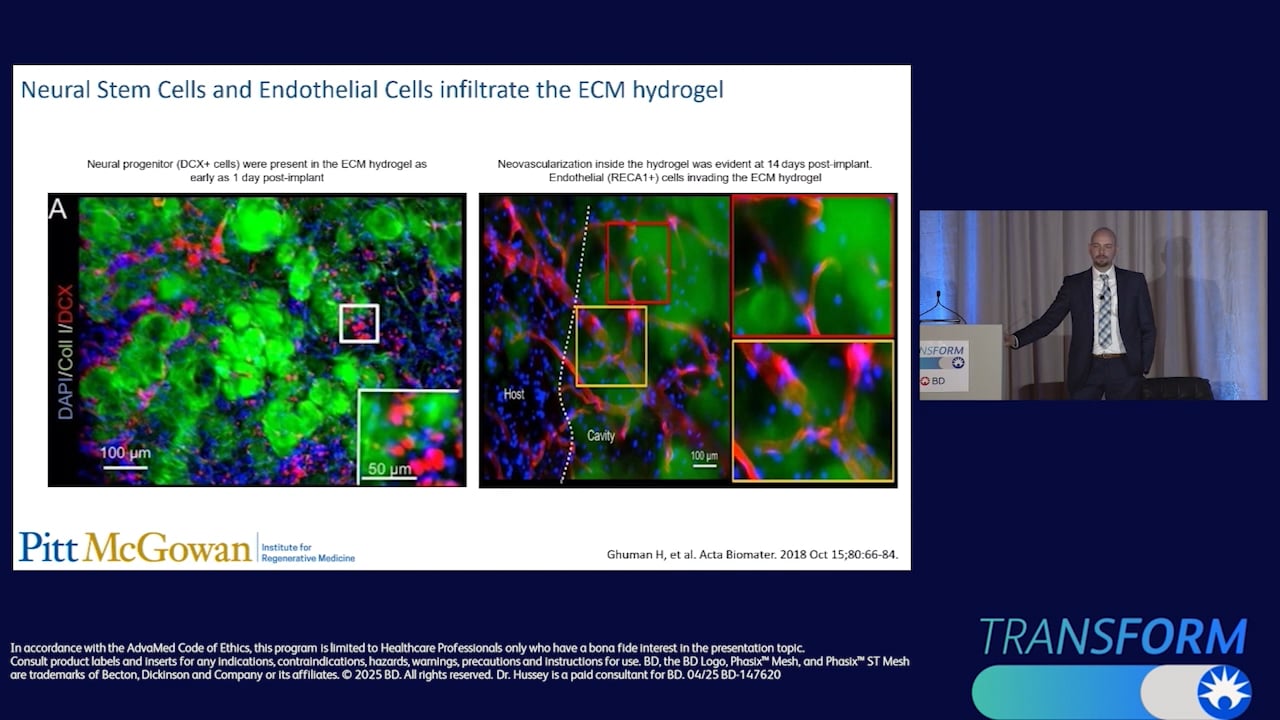
Translating Scientific Discoveries into Medical Innovation
Dr. George Hussey of the McGowan Institute for Regenerative Medicine discusses the institute's approach to translating scientific discoveries into medical innovation. He reviews scientific evidence and data from clinical and preclinical studies.
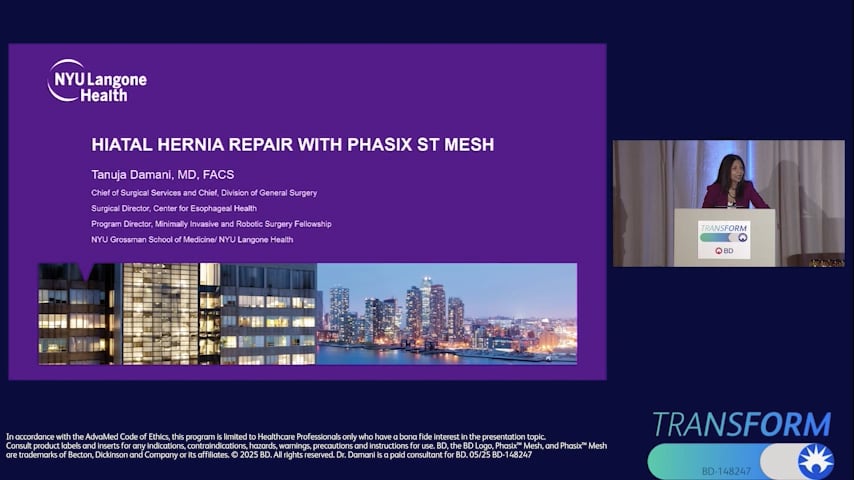
Hiatal Hernia Repair with Phasix™ ST Mesh
Tanuja Damani, MD, FACS spoke during TRANSFORM in January 2025. In this presentation she reviews paraesophageal hernias and technique for repair. She discusses outcomes with mesh repair while helping the audience understand benefits and drawbacks of current mesh technology for hiatal hernia repair. She introduces Phasix™ ST Mesh and her rationale as well as evidence for clinical use in hiatal hernia repair. Finally she discusses a robotic approach to primary and revisional paraesophageal hernia repair.